Communications Director Altun: Turkey at the Heart of Global Climate Diplomacy
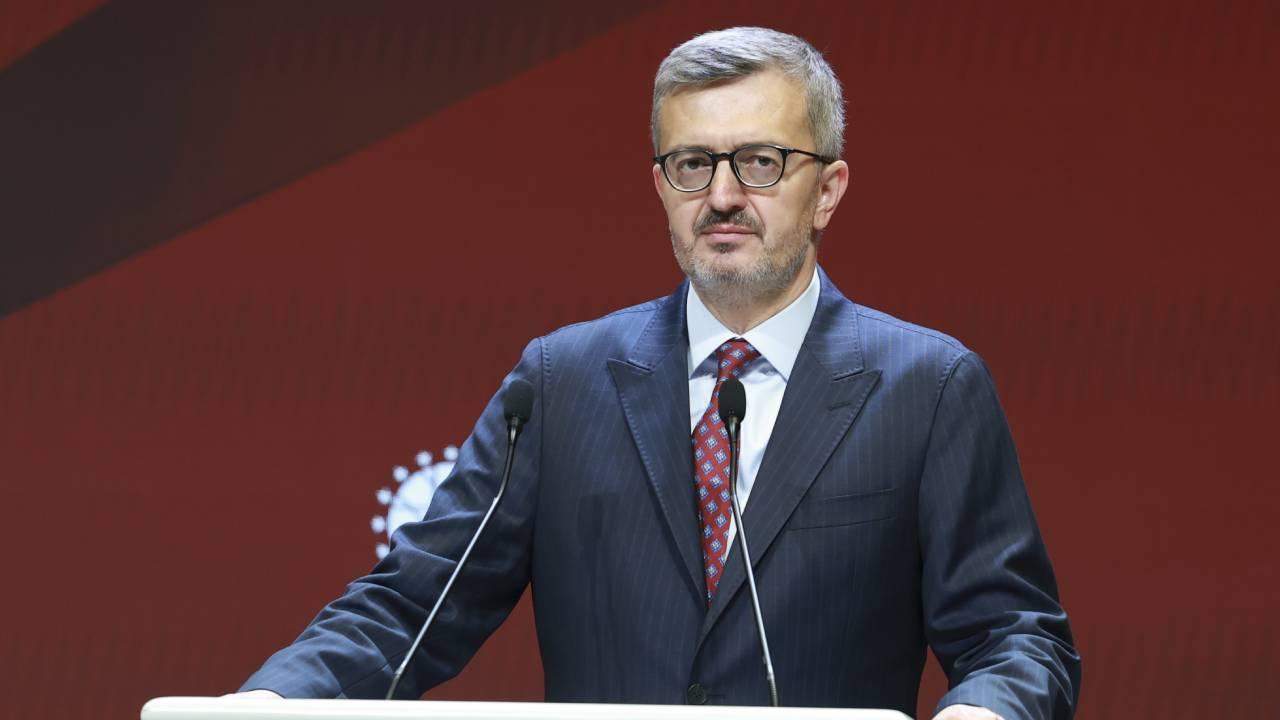
Communications Director Fahrettin Altun stated that Turkey's hosting of the COP31 summit confirms the country's strategic position on the international stage and its commitment to environmental policies. This critical summit, to be held in Antalya, proves that Turkey is not only a regional power but also a central hub for generating solutions to the global climate crisis. Altun expressed that the sustainable development initiatives carried out under the leadership of President Recep Tayyip Erdoğan are opening a new chapter in the fight against climate change.
Turkey's hosting of this summit is not merely a logistical achievement but a reflection of a vision shaped by an emphasis on climate justice and solidarity. Altun highlighted that the fight against climate change is not just an environmental issue but a responsibility to protect the right to life for future generations, emphasizing that Turkey has taken an active and constructive role in this process.
Background of the Development
Turkey's rise in climate diplomacy is supported by concrete steps taken in recent years. In particular, the 2053 net-zero emission target forms the cornerstone of Turkey's green development revolution. The ratification of the Paris Climate Agreement and subsequent legislative regulations have accelerated Turkey's full integration into the international climate regime.
The COP31 process represents a testing ground on an international platform for the 'Green Development Revolution' vision that Turkey has been working on for a long time. This summit, which Antalya will host, carries the goal of Turkey acting as a bridge for both voicing the concerns of developing nations and facilitating technology transfer with developed countries. Although Turkey's historical contribution to climate change is low, it continues to express its determination to be part of the solution on every platform.
Coordinated by the Ministry of Environment, Urbanization and Climate Change, the work carried out has turned Turkey's climate change strategy into a state policy. This process is based on a holistic approach that includes not only emission reduction but also energy efficiency, renewable energy investments, and circular economy models.
Expert and Industry Insights
Industry representatives and climate experts state that Turkey's COP31 presidency could be a turning point for global climate finance and technology transfer. According to experts, Turkey's geographical location and regional influence allow it to act as a balancing factor between regions most affected by climate change and developed economies.
- Access to climate finance: Managing funds needed by developing countries for green transformation.
- Technology transfer: Integration of domestic and national green technologies into the global market.
- Energy transition: Increasing renewable energy capacity and grid modernization.
- Climate justice: Establishing a balance between historical responsibilities and current solution-seeking efforts.
- Sustainable agriculture: Promoting agricultural production models resilient to climate change.
Experts predict that Turkey will bring a new breath to the concept of 'climate diplomacy' at this summit, particularly by assuming a solution-oriented moderating role in multilateral collaborations. On an industrial level, it is expected that the financial incentives required for the green transformation of the industry will become more concrete after this summit.
Economic and Social Implications
Hosting COP31 in Turkey offers a unique opportunity to introduce the country's green economy potential to global investors. The entry of green bonds, carbon markets, and sustainable finance instruments into Turkish markets will ensure that economic growth continues on an environmentally friendly basis. In the long run, this will also protect Turkey's export competitiveness.
Socially, the goal is to spread awareness of climate change to all segments of society. Including younger generations in the processes of combating climate change constitutes the most important social pillar of Turkey's vision to build a sustainable future. In the eyes of the public, climate change is no longer perceived merely as an environmental problem, but as a matter of security and prosperity.
Stakeholders note that the impact of this summit on local governments will also be significant. Positioning Antalya as a 'climate capital' will contribute to Turkey becoming a model country in the processes of cities adapting to climate change.
Future Projections and Outlook
In the coming period, Turkey aims to increase international collaborations within the scope of COP31 preparations, ensuring that the final outcome declaration of the summit is centered on climate justice. Turkey's presidency is of critical importance in terms of reminding the world of the principle of 'common but differentiated responsibilities' in the fight against climate change.
Regarding risk management, the pressure of global economic fluctuations on green investments is being closely monitored. However, Turkey is following a roadmap to minimize these risks with its strong industrial infrastructure and strategic location. In the post-summit period, Turkey's leadership in the fight against climate change is expected to serve the goal of creating a regional 'green energy corridor.'
In conclusion, Turkey's hosting of COP31 is not just a summit organization but a strategic move that reinforces Turkey's role as a game-maker in reshaping the global climate architecture. With this process, Turkey is taking its place on the global stage as both an implementer and a vision-setter in the fight against climate change.
💬 Yorumlar 0
Henüz yorum yapılmamış. İlk yorumu siz yazın!





