Communications Director Duran: Climate Diplomacy is an Indispensable Part of Foreign Policy
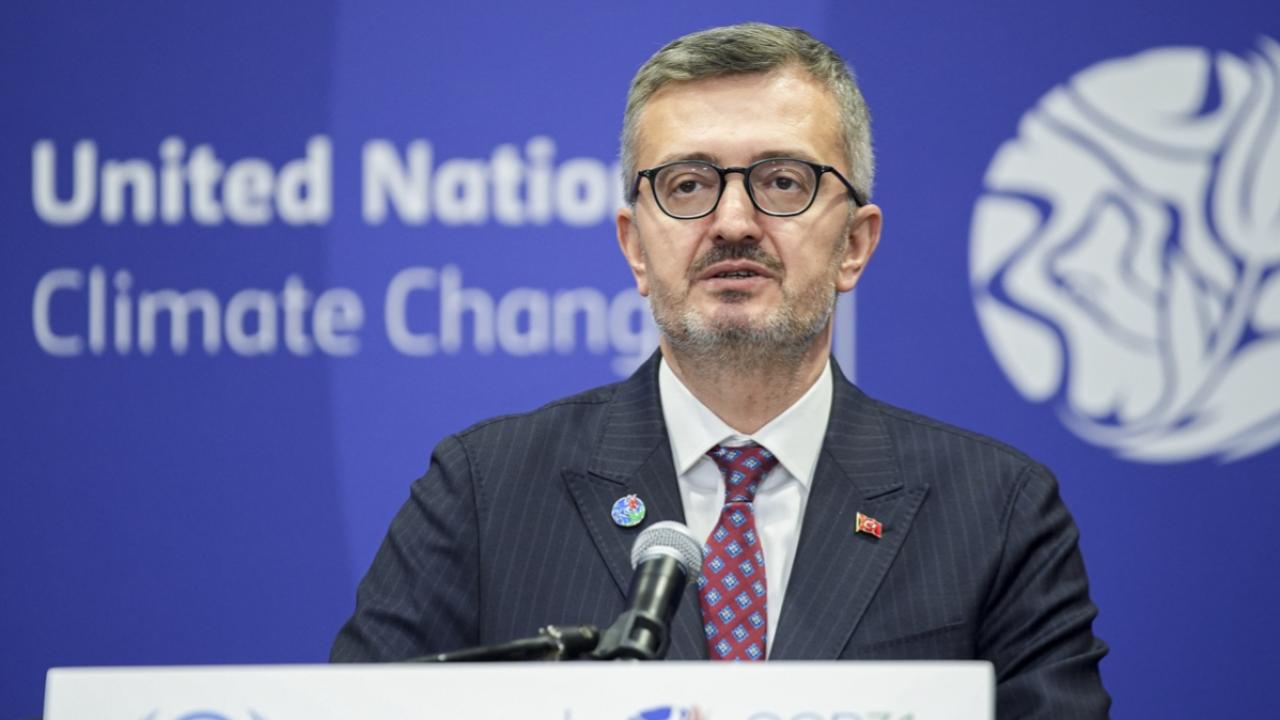
The 31st Conference of the Parties (COP31) to the United Nations Framework Convention on Climate Change (UNFCCC), hosted by Turkey in Antalya, marks a critical turning point in the search for solutions to the global climate crisis. Speaking at the panel titled "A Holistic Approach to Energy, Agriculture, and Climate Policies: Increasing Resilience through International Cooperation," Communications Director Burhanettin Duran emphasized that climate diplomacy has become an indispensable part of foreign policy. While expressing his pleasure in hosting participants in Turkey for COP31, Duran called for the development of a holistic strategy against the existential threats facing humanity.
In his speech, Duran defined the fundamental paradox of the modern world as the tension between the ambition for "more production and growth" and the "preservation of natural resources." The projection that the world population, which has exceeded eight billion, will continue to grow and eventually surpass ten billion in the second half of the century increases the pressure on food and energy security. The Communications Director stated that urbanization and changing consumption habits threaten the sustainability of existing resources, emphasizing that the question of "how we can meet today's needs without consuming tomorrow's resources" should be the main agenda item of global politics.
Background of the Development
COP31 stands out as a platform where international cooperation in the fight against climate change is tested at the highest level. Historically, the fossil fuel-oriented growth model that has persisted since the Industrial Revolution has led to the straining of ecological boundaries today. The prosperity-oriented development understanding of the last century must now give way to "sustainable development" goals. Turkey, with its geographical location and its role as an energy corridor, is one of the countries that feels the effects of climate change most closely and plays an active role in solution processes.
The link between energy, agriculture, and climate also reveals the fragility of global supply chains. As Duran emphasized, every stage of agricultural production is dependent on energy. The direct reflection of fluctuations in energy prices on food prices is not just an economic problem but also a security issue that threatens social peace. This situation makes it mandatory for countries to harmonize their domestic policies with global climate goals.
In recent years, Turkey has taken significant steps in this field with its "Green Development Revolution" vision. The call for a "holistic approach" voiced at COP31 is, in fact, the internationalization of the policy that Turkey has long advocated, which combines development with environmentalism. Climate diplomacy is now accepted not just as an environmental issue, but as an integral part of trade, energy security, and foreign policy.
Expert and Industry Insights
Industry representatives and climate experts evaluate Duran's emphasis on a "holistic approach" as a strategic move in terms of crisis management. According to experts, when energy policies are considered independently of agriculture, food security is at risk; when agricultural policies are considered independently of climate change, productivity declines. Key points from a sectoral perspective include:
- Energy supply security is the primary determinant of food price stability.
- Digitalization and smart irrigation technologies in the agricultural sector are vital for the protection of water resources.
- Climate change has the potential to be the greatest trigger for global migration waves and economic instability.
- It is impossible for developing countries to achieve climate goals without international cooperation, technology transfer, and financial support mechanisms.
- Transitioning to sustainable consumption models is not just an individual choice, but a necessity at the institutional and state policy level.
Experts state that Duran's warning that "no country can isolate itself from the global climate crisis" necessitates a new era of "climate solidarity" in international relations. This solidarity should not only be limited to reducing carbon emissions but should also aim to increase the capacity for adaptation to climate change.
Economic and Social Implications
The economic implications of climate change directly affect household economies, especially through agricultural production costs. The fact that the rise in energy prices triggers food inflation has become one of the main sources of social unrest. Therefore, the social dimension of climate policies is of critical importance for maintaining economic stability.
For countries with high agricultural potential like Turkey, climate change requires new investments in protecting soil fertility and water management. These investments can also contribute to economic growth by creating green employment areas. However, for this transformation to be painless, cooperation between the public and private sectors must be strengthened, and social awareness must be increased.
From a social perspective, the fight against climate change is a responsibility toward future generations. The principle of "meeting today's needs without consuming tomorrow's resources," emphasized by Duran, represents fair sharing and a sustainable way of life. This approach brings with it not only an economic but also an ethical stance.
Future Projections and Outlook
The results of COP31 will determine the course of global climate policies in the coming years. Turkey's active role in this process both reinforces its regional leadership and increases its weight in climate diplomacy. In the coming period, it is expected that concrete projects regarding the integration of energy and agricultural policies will be implemented.
In the upcoming process, in addition to countries' commitments to reduce their carbon footprints, it is foreseen that concrete financial and technological collaborations regarding adaptation to climate change will increase. Turkey is expected to take a leading role in this regard, particularly in technology sharing and capacity-building projects for developing countries.
In conclusion, Communications Director Duran's messages prove that the fight against climate change is not just an environmental issue, but also an economic, social, and political transformation process. Turkey's holistic approach offers a promising roadmap for the future of global climate diplomacy.
💬 Yorumlar 0
Henüz yorum yapılmamış. İlk yorumu siz yazın!





