COP31 Antalya Summit: A Turning Point in the Climate Crisis and Turkey's Transformative Leadership
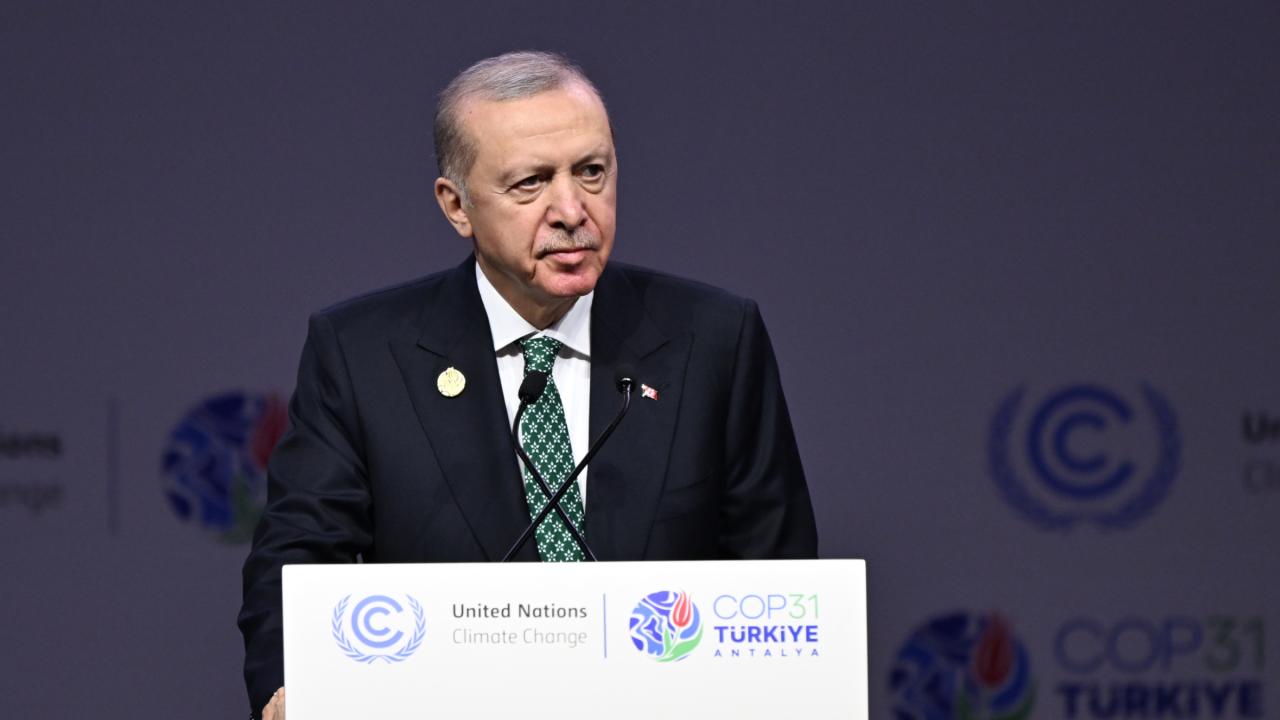
The 31st Conference of the Parties (COP31) to the United Nations Framework Convention on Climate Change, hosted in Antalya, is witnessing a historic moment for global climate diplomacy. In his opening address, President Recep Tayyip Erdoğan stressed that humanity is experiencing one of the deepest existential crises in its history due to excessive consumption and ecological destruction. Attended by world leaders such as UN Secretary-General Antonio Guterres, Brazilian President Lula da Silva, and Australian Prime Minister Anthony Albanese, the summit is designed not just as a negotiation platform, but as a symbol of the transition to an era of 'action and implementation' in the fight against climate change.
Background of the Development
The journey of fighting climate change has come a long way since the first COP meeting held in Berlin 32 years ago. However, despite achieving significant success on an intellectual level, the process has faced a global bottleneck in the implementation phase. The failure to meet the targets set by the Paris Agreement has made the effects of the climate crisis even more devastating. In this historical context, Turkey has increased its responsibility and defined COP31 as an 'implementation COP'.
Turkey's hosting is not just a logistical success, but also reflects a vision that blends the ancient civilizational values of Anatolia with environmental awareness. The design of the blue and green zones has been integrated with the principles of cultural heritage preservation and sustainability. The efforts to minimize the summit's own carbon footprint through zero-waste projects, energy efficiency, and carbon offsetting practices concretize Turkey's determination in this regard.
The unique partnership model established with Australia presents a new paradigm of cooperation in climate diplomacy. The fact that two countries thousands of kilometers apart have united around a common vision for the future is considered the most concrete proof that the fight against climate change requires solidarity that knows no borders.
Expert and Industry Insights
Industry representatives and environmental economy experts find the 'implementation' emphasis of COP31 to be highly critical. According to experts, climate change is no longer a 'future problem' but a 'current economic and social crisis.' In this context, the outcomes of the summit will shape not only the environment but also the future of financial markets.
- Access to climate finance: Making funds needed for green transformation in developing countries transparent and accessible.
- Technology transfer: Strengthening patent and knowledge-sharing mechanisms to disseminate low-emission technologies globally.
- Zero-waste economy: Integrating circular economy models into industrial production and transforming waste management into a value chain.
- Energy transition: Managing the social costs of the transition from fossil fuels to renewable energy.
- Adaptation strategies: Making cities and agricultural lands resilient against the devastating effects of climate change.
Experts predict that Turkey's 'Zero Waste' vision becoming a global brand could turn into an international standard with this summit. Specifically, energy efficiency and low-emission transport solutions are expected to be among the concrete outcomes of COP31.
Economic and Social Implications
The climate crisis is not only an environmental catastrophe but also a serious threat to food security and economic stability. As President Erdoğan emphasized, a burning forest or a drying river is not just a local problem, but a global economic loss. This summit creates pressure for countries to redesign their economic development models along the axis of 'green growth'.
From a social perspective, climate change threatens social peace across a wide spectrum, from migration waves to health problems. The 'Our World, Our Common Home' theme initiated by Turkey with this summit aims to increase individual awareness and create a spirit of social mobilization. Market actors, meanwhile, predict that new financial instruments such as green bonds and carbon markets will be used more actively after the summit.
Future Projections and Outlook
COP31 is a candidate to go down in history as a new turning point in the fight against climate change. In the coming period, the speed at which the decisions taken at the summit are integrated into national legislation will be the main determinant of success. Turkey will continue its pioneering role in this process, continuing to view the fight against climate change as a 'development agenda'.
Among the risks, the possibility of global geopolitical tensions hindering climate cooperation stands out. However, the diplomatic bridges Turkey has built with countries such as Australia, Brazil, and Azerbaijan show that these risks are manageable. Following the summit, the awards to be announced on November 14 and the concrete implementation schedules will be the guarantee that climate action will not remain just words.
In conclusion, COP31 is not just a conference, but a bold step taken for the common future of humanity. This process, which began under Turkey's host with the philosophy of 'lighting a candle instead of punching the darkness,' is a harbinger of a new era in global climate action.
💬 Yorumlar 0
Henüz yorum yapılmamış. İlk yorumu siz yazın!





