COP31 Hosted by Turkey: A New Era in Climate Diplomacy
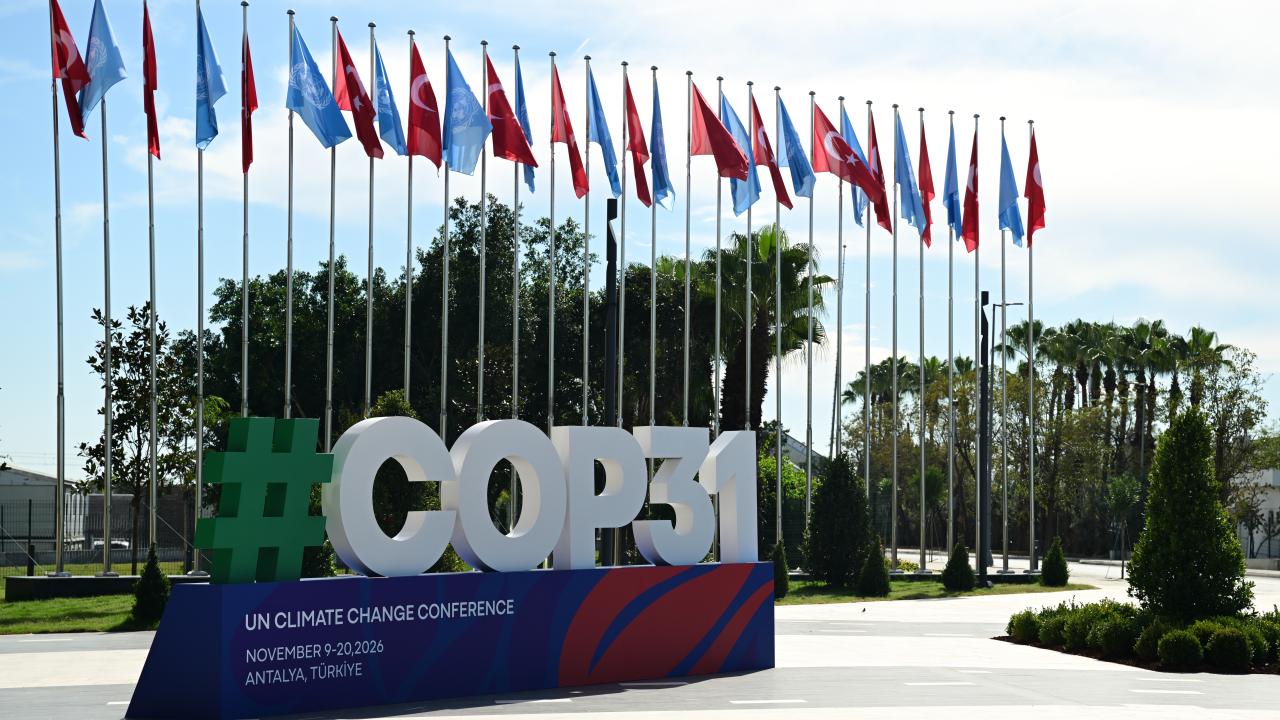
The world is at a critical juncture in the fight against climate change. The UN Climate Change Conference (COP31), hosted by Turkey, has opened its doors to the world today. According to the statement from the Ministry of Environment, Urbanization and Climate Change, all preparations have been completed for this massive 12-day event, which brings together 196 countries and the European Union. The Leaders' Summit, to be hosted by President Recep Tayyip Erdoğan on November 11-12, will be recorded as one of the most significant gatherings in climate diplomacy.
The conference spans a massive area of 1.1 million square meters, divided into two main sections: the Blue Zone and the Green Zone. With leaders from 102 countries and over 300 ministers in attendance, the summit is not merely a series of meetings but a platform where global climate action is being redefined. Minister of Environment, Urbanization and Climate Change Murat Kurum, who leads the COP31 Presidency, emphasizes that the summit will operate under the vision of an 'Implementation COP'.
Background of the Development
COP summits have been the cornerstone of international cooperation in the fight against climate change since the 1992 Rio Earth Summit. However, COP31, hosted by Turkey, offers a new paradigm centered on the triangle of 'dialogue, consensus, and action'. Criticism that past commitments remained on paper serves as the primary motivation for this summit. Turkey adopts a holistic approach that treats the fight against climate change not just as an environmental issue, but as a matter of development and economy.
The logistical infrastructure of the organization proves once again Turkey's capacity to manage such massive events. The 527,000-square-meter Blue Zone and 582,000-square-meter Green Zone have been optimized for delegations, NGOs, and private sector representatives. 160 approved pavilions and 90 delegation office applications demonstrate the comprehensive nature of the work conducted at both technical and operational levels.
Historically, COP31 is seen as a critical threshold for achieving the goals of the Paris Agreement. Turkey's 'Implementation COP' vision aims to provide a concrete roadmap for how financial mechanisms, technology transfer, and capacity building can be realized in the fight against climate change. This is considered a strategic move in which Turkey asserts its global climate leadership.
Expert and Industry Insights
Industry representatives and international observers state that COP31 could be a turning point for climate finance and green transformation. Experts emphasize that the 10-point Action Agenda presented by Turkey is consistent and applicable with global climate policies. The emphasis on energy transition and green industrialization, in particular, opens new doors of opportunity for industrialists and investors.
- Establishing the 'Zero Waste' vision as a global standard.
- The impact of clean energy transition and electrification on industrial competitiveness.
- Infrastructure investments required for building climate-resilient cities.
- Climate adaptation strategies in food security and agriculture.
- Spreading climate awareness to the grassroots level through youth and education.
Experts state that the participation of organizations like the UN, World Bank, OECD, and the International Energy Agency at the leadership level increases confidence in the summit's outcomes. This participation is not just a diplomatic courtesy but also carries the potential to determine the direction of funds that global financial institutions will allocate to climate projects.
Economic and Social Implications
COP31 has profound economic implications beyond the environmental ones. Green industrialization and the transition to clean energy will directly affect Turkey's export capacity and its position in the global value chain. At a time when carbon taxes and border carbon adjustments are on the agenda, Turkey hosting this summit will accelerate the adaptation process of domestic industry to the green transition.
From a social perspective, the themes of 'Climate Resilient Cities' and 'Dynamic and Resilient Health Systems' directly concern the daily quality of life of citizens. Minimizing the health impacts of climate change and making cities more resilient to disasters are at the center of public policies. This situation necessitates joint action by a wide group of stakeholders, from local governments to the central government.
Future Projections and Outlook
The most important result expected after COP31 is for countries to turn their climate commitments into more concrete and measurable actions. The 10-point action plan put forward by Turkey will become one of the reference texts in international climate negotiations in the coming years. In particular, the concept of a 'Climate Implementation Bridge' aims to close the financial and technological gap between developed and developing nations.
The final declaration to be signed at the end of the summit will shape the next decade of global climate action. In this process, Turkey is positioned not only as a host but also as a solution partner. Although risks such as lack of funding and political divisions between countries exist, Turkey's dialogue-oriented approach will play a key role in overcoming these obstacles.
In conclusion, COP31 will be remembered as a historic organization that increases Turkey's weight in the field of climate diplomacy on the global stage and combines its economic and environmental goals. This 12-day marathon is a giant step taken toward building the world of future generations, not just for today.
💬 Yorumlar 0
Henüz yorum yapılmamış. İlk yorumu siz yazın!





