Critical Statements from Minister Murat Kurum: Climate Goals and Social Housing Initiatives
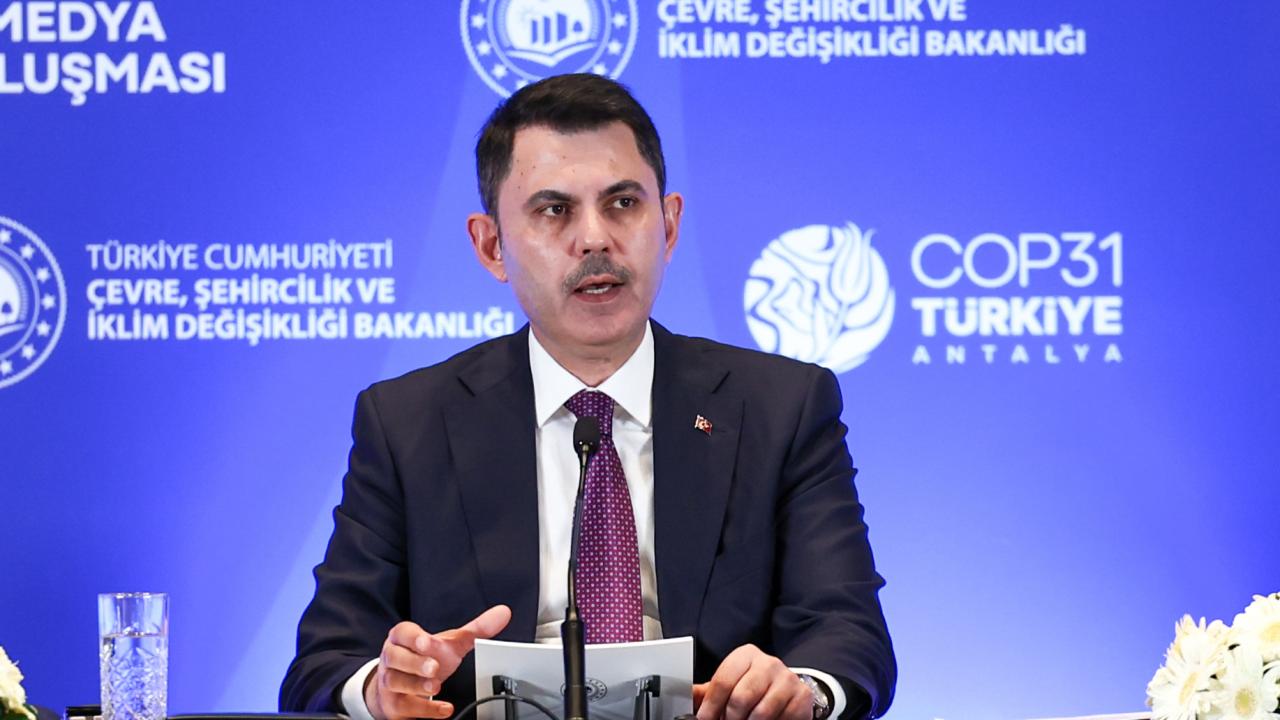
Minister of Environment, Urbanization and Climate Change Murat Kurum, in a special broadcast on TRT Haber, shared with the public the latest status of Turkey's environmental policies, strategies for combating climate change, and social housing projects. Minister Kurum detailed both Turkey's stance on international platforms and its urban development vision at the local level during a period when the effects of the global climate crisis are being felt more intensely every day. In particular, the COP31 process and the steps taken to increase housing supply indicate that Turkey is at a critical juncture regarding its sustainable development goals.
Minister Kurum's statements are considered a reflection of the steps Turkey has taken in line with its 2053 net-zero emission target. Making cities resilient to climate change, green transformation projects, and social housing initiatives aimed at meeting the housing needs of low-income citizens are among the ministry's priority agenda items. These statements are not merely policy declarations but also form the cornerstones of Turkey's environmental and economic roadmap for the coming decades.
Background of the Development
In recent years, Turkey has begun to pursue a much more active diplomacy following its accession to the Paris Climate Agreement as part of its fight against climate change. This process has not only been an environmental necessity but also a harbinger of economic transformation. As Minister Kurum emphasized, Turkey's environmental policies are now shaped by the vision of a 'Green Development Revolution.' Having previously focused more on local environmental issues, the ministry has now become a hub managing massive topics such as global climate finance, emission reduction, and renewable energy integration.
Social housing projects hold a special place in the history of Turkish urbanism. Projects carried out by TOKİ, in particular, do not only meet housing needs but also serve as a lever for strengthening cities against earthquakes and accelerating urban transformation processes. The 'horizontal architecture' and 'zero waste' principles emphasized by Minister Kurum since he took office form the fundamental design criteria for these housing projects.
Historically, while Turkey struggled with the problems of unplanned urbanization brought about by rapid growth, it is now re-evaluating these issues from the perspective of climate change. Minister Kurum's statements are a continuation of this historical transformation, reaffirming Turkey's determination to combat climate change.
Expert and Industry Insights
Industry representatives and environmental experts find Minister Kurum's statements quite positive in terms of Turkey's climate diplomacy. The fact that preparations for COP31 have already begun is interpreted as a sign that Turkey will play a more active role in global climate negotiations. Experts state that the following points are of vital importance in Turkey's fight against climate change:
- Increasing access to climate finance and investment in green technologies.
- Adapting cities to climate change with the 'Sponge City' concept.
- Raising energy efficiency standards in social housing.
- Establishing incentive mechanisms to reduce the carbon footprint in industrial facilities.
- Integration of local governments into climate change action plans.
Economists draw attention to the impact of social housing projects on the market. It is predicted that increasing housing supply will alleviate pressure on rent and sales prices. Industry representatives state that Minister Kurum's emphasis on 'accessible housing' will create vitality in the construction sector and that this will contribute positively to economic growth along with related sectors.
Economic and Social Implications
The social implications of the projects announced by Minister Kurum are far-reaching. While social housing projects serve as a beacon of hope for low- and middle-income citizens, they also play a critical role in spreading social welfare to the base. Improving the quality of life in cities is of great importance not only for physical improvement but also for ensuring social justice.
From an economic perspective, environmental and urban investments bring with them the employment Turkey needs in its green transformation process. Renewable energy projects, energy efficiency studies, and smart city applications create new job areas while serving Turkey's goal of reducing foreign dependency. This has the potential to have a positive impact on Turkey's current account deficit in the long term.
Regarding stakeholders, Minister Kurum's transparent and solution-oriented approach reduces uncertainties in the sector. Investors and citizens are gaining a more predictable market environment through the steps taken by the ministry. This environment of trust allows both public and private sector investments to gain momentum.
Future Projections and Outlook
An intense agenda awaits Turkey in the coming period. As part of the preparations for the COP31 process, new international commitments demonstrating Turkey's determination to combat climate change are expected to come to the fore. Under the leadership of Minister Kurum, Turkey's strategy for combating climate change will not be limited to emission reduction; it will also be strengthened by adaptation policies.
Regarding social housing projects, the progress of the schedule and the announcement of new phases are among the issues citizens are most eagerly awaiting. It is expected that the ministry will develop new financing models to increase housing supply and alleviate cost pressures in the construction sector with these models. In this process, the rapid completion and delivery of houses in the earthquake zone will remain the ministry's top priority.
In conclusion, Minister Murat Kurum's statements on TRT Haber clearly reveal Turkey's vision for both environmental and urban transformation. The steps to be taken in the coming period will demonstrate Turkey's determination to build a sustainable future and the institutional capacity required to achieve this goal.
💬 Yorumlar 0
Henüz yorum yapılmamış. İlk yorumu siz yazın!





