Diplomatic Momentum in Cyprus: New Border Crossings and Search for Solutions
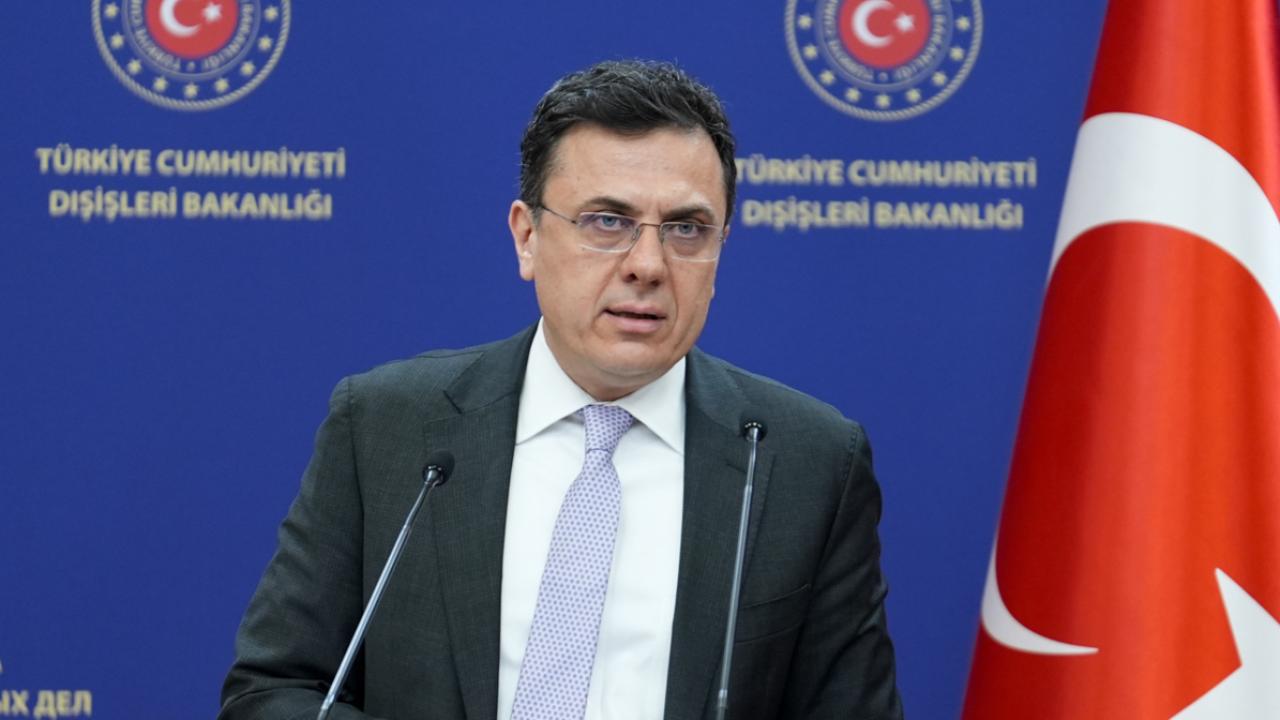
The long-standing diplomatic stagnation on the island of Cyprus has gained new momentum following a tripartite meeting organized through the initiative of Maria Angela Holguin Cuellar, the Personal Envoy of UN Secretary-General Antonio Guterres. This critical summit, attended by TRNC President Erhürman and Greek Cypriot Administration (GCA) leader Christodoulides, holds symbolic importance in terms of revisiting confidence-building measures between the two sides on the island. Foreign Ministry Spokesperson Öncü Keçeli, in a written statement, clearly outlined the Turkish side's approach to this process, expressing satisfaction that areas of cooperation aimed at establishing trust were addressed.
The most tangible outcome of the meeting was the agreement reached regarding the long-discussed border crossings. According to the statement released by the UN, it was decided to open two new border crossings between Akıncılar-Lympia and Gemikonağı-Kampos. This development is considered a critical, albeit limited, step taken to facilitate daily life on the island and increase interaction between the two communities. Spokesperson Keçeli emphasized that this progress is a fruit of the cooperation process initiated under UN auspices 1.5 years ago.
Background of the Development
The Cyprus issue remains one of the most complex files in international diplomacy for over half a century. The division on the island since 1974 has brought about various challenges from both political and humanitarian perspectives. Border crossings began to open gradually starting in 2003, and this situation has played a vital role in allowing the two communities to get to know each other better, increasing economic interaction, and strengthening human ties.
The past 1.5 years have witnessed intense shuttle diplomacy by UN Envoy Cuellar to restore trust between the parties. However, this process has frequently reached a stalemate due to fundamental disagreements regarding status and sovereignty. While the Turkish side maintains that cooperation requires not only technical but also political will, the position of the Greek Cypriot side has generally stood out as a factor slowing down the resolution processes.
This latest tripartite meeting is valuable in showing that the parties are not in a state of complete disconnection. The decision to open border crossings, while appearing as a technical detail, signifies logistical and economic relief for civil society and the business world on both sides of the island. Historically, the belief that every small step can be part of a larger solution forms the core motivation for the UN's presence in Cyprus.
Expert and Industry Insights
Diplomacy experts are meeting this development with "cautious optimism." Industry representatives and regional analysts predict that the opening of border crossings will not only facilitate transportation but also stimulate local economies. However, experts underline that a broader consensus is needed for such steps to evolve into a comprehensive political solution.
- Increasing the number of border crossings will directly affect the trade volume between the two communities.
- The expansion of logistical networks will have positive reflections on the tourism and service sectors in the region.
- Confidence-building measures help soften the atmosphere necessary for political negotiations.
- The active participation of the UN in the process ensures the sustainability of communication between the parties.
- A change in the intransigent attitude of the Greek Cypriot side is an essential prerequisite for a permanent solution.
Analysts point out that transitions in the Akıncılar and Gemikonağı regions, in particular, will improve the quality of daily life for the local population. According to experts, such technical collaborations serve as a "testing ground" to overcome political deadlock. If these gates are implemented smoothly, the way could be paved for larger cooperation projects.
Economic and Social Implications
The opening of border crossings has strategic importance for the island's economy. Especially for tradespeople and producers living in border regions, the opportunity to access new markets is emerging. Socially, it is expected that the distance between the two communities will decrease, prejudices will be broken, and cultural interaction will increase. This is a significant opportunity for building social peace on the island from the bottom up.
However, obstacles to economic integration still exist. The fact that the GCA is under the EU acquis while the TRNC is under isolation brings legal and bureaucratic difficulties in commercial activities. Therefore, opening border crossings is not enough on its own; economic legislation must also be harmonized and transitions facilitated.
In the eyes of the public, such developments are generally welcomed. The public supports every step that facilitates daily life and expects a solution-oriented approach from political leaders. Civil society organizations argue that increasing the number of border crossings is one of the most concrete steps taken toward the reunification of the island.
Future Projections and Outlook
In the coming period, the tripartite meeting planned between the two leaders and the UN Secretary-General will be decisive for the fate of the process. As Foreign Ministry Spokesperson Keçeli stated, achieving further progress depends on the attitude of the GCA. While the Turkish side maintains its constructive stance, it expects the Greek Cypriot side to display a realistic and solution-oriented approach.
The technical details regarding when the border crossings will become operational and how the operational aspects will be managed will become clear in the technical committee meetings to be held in the coming weeks. The UN's supervisory role in this process will be critical in resolving potential disruptions. The parties using this process as a "trust test" could form the basis for potential future negotiation tables.
In conclusion, every step in the Cyprus issue requires great patience and diplomatic meticulousness. While new border crossings do not end the division of the island, they strengthen the foundation of peace by making it easier for people to reach one another. The international community will continue to follow these developments closely and encourage the parties to reach a consensus.
💬 Yorumlar 0
Henüz yorum yapılmamış. İlk yorumu siz yazın!





