Strategic Communication Diplomacy on the Turkey-Nigeria Axis: A New Era
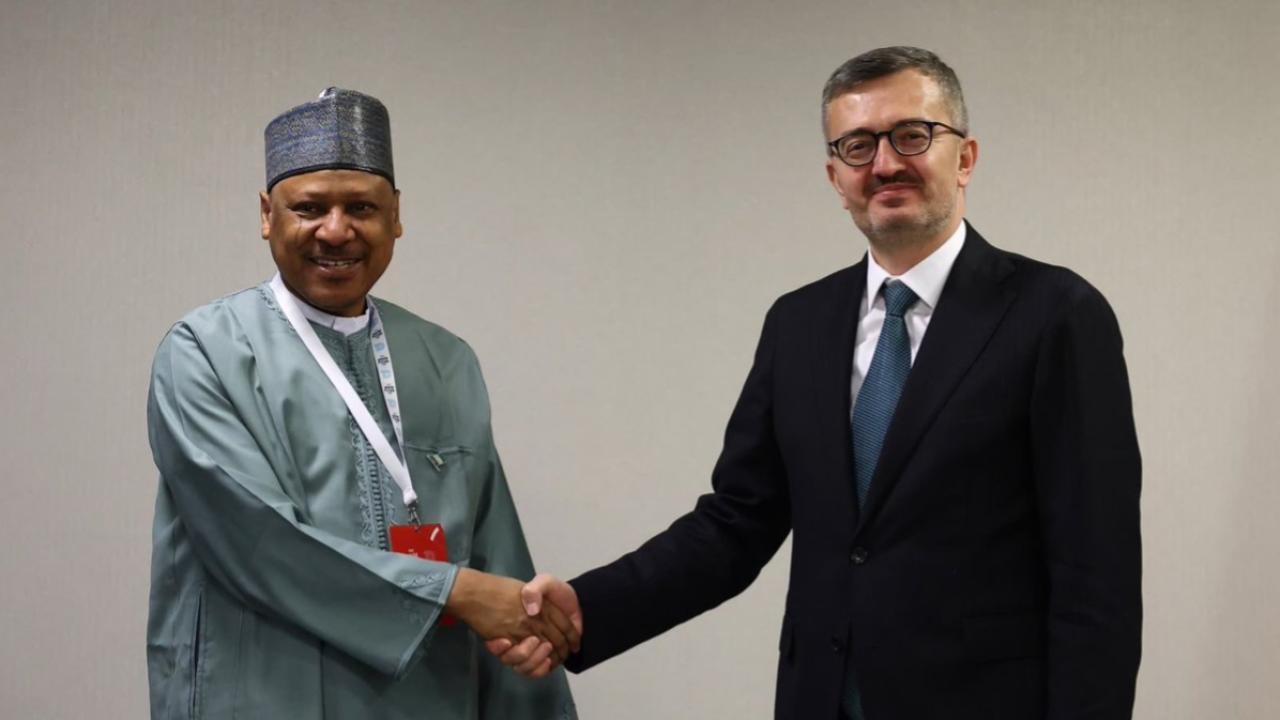
Diplomatic relations between Turkey and Nigeria are deepening with new steps in media and strategic communication cooperation. Communications Director Fahrettin Altun hosted Nigeria's Minister of Information and National Orientation, Mohammed Idris Malagi, who arrived in Turkey for official talks. The meeting focused on strengthening public diplomacy activities, combating disinformation, and establishing a joint roadmap for strategic communication processes. Altun emphasized that Turkey and Nigeria, as regional powers, share a mutually supportive perspective in the field of communication, noting that this cooperation is an effort to integrate the soft power capacities of both nations.
Background of the Development
Turkey's "Africa Opening" and the subsequent "Africa Partnership Policy" have gained significant momentum across the continent over the last two decades. Nigeria, as Africa's largest economy and most populous nation, holds a central position in Turkey's strategic vision. These contacts in the field of communication should be interpreted not only as cooperation between two ministries but also as an effort to make the national narratives of both countries more effective on a global scale.
Turkey-Nigeria relations, which previously progressed primarily through trade and the defense industry, are now evolving into areas such as cultural interaction and information security. The fact that information manipulation and disinformation have become a global threat in the digital age makes it necessary for Turkey to share its experience in this field with rising powers like Nigeria. The institutional expertise of the Directorate of Communications in strategic communication serves as a significant model for Nigeria's efforts to build its own national narrative.
This meeting demonstrates that diplomatic traffic between the two countries is not limited to high-level political visits but is also becoming institutionalized at technical and operational levels. These steps in the field of communication elevate Turkey's presence in Africa from being merely an economic actor to an intellectual and communicative partner. The roots of this process are directly linked to recent sectoral and institutional transformations.
Expert and Industry Insights
Senior analysts and foreign policy experts describe this meeting as the "operational phase of a strategic vision." Experts state that transferring Turkey's global leadership in combating disinformation to Nigeria could contribute to the creation of a "truthful information network" across Africa. According to expert evaluations, ensuring that every new step is built on institutional accountability will guarantee the sustainability of the process.
The key areas of cooperation emphasized by expert panels are as follows:
- Strategic Communication: Establishing a joint mechanism between the two countries to combat disinformation.
- Media Training: Transferring Turkey's experience in digital media and public diplomacy to Nigerian media professionals.
- Joint Content Production: Joint documentary and digital content projects reflecting the cultural values of Turkey and Nigeria.
- Technology Transfer: Technical cooperation in communication technologies and infrastructure.
- Diplomatic Communication: Developing a common discourse in international platforms.
Experts argue that this cooperation will strengthen relations not only between the two countries but also between the African Union and Turkey. It is of great importance for Turkey and Nigeria to tell their own stories to break the one-sided perspective of global media toward Africa.
Economic and Social Implications
This rapprochement in the field of communication will also directly reflect on economic relations. A strong communication infrastructure improves investors' perceptions of each other, thereby increasing commercial trust. Nigeria's young population and Turkey's success in digital content production could create new business opportunities in the media sector. Market actors anticipate that such strategic partnerships will have a positive multiplier effect on financial indicators in the long term.
Socially, the goal is to break cultural prejudices between the two societies and increase mutual recognition. Public diplomacy activities will strengthen ties between the peoples, triggering mobility in tourism and education. Turkey's "human-oriented" foreign policy in Africa will be conveyed to wider audiences through this communication strategy.
The fact that decision-making processes directly touch upon social welfare and consumer trust shows that the human dimension of the process can never be ignored. Transparent dialogue with social stakeholders will strengthen the public acceptance of the steps taken.
Future Projections and Outlook
In the coming period, the signing of a concrete "Communication Cooperation Memorandum" between the Directorate of Communications and the Nigerian Ministry of Information is expected. This memorandum may include binding clauses on staff exchanges between media organizations, joint news agency activities, and digital media security. Comprehensive final reports to be prepared by the competent authorities will determine the final course of the matter.
Risks include attempts by global disinformation networks to manipulate this cooperation. However, the determination of both countries in this field increases expectations that the process will be managed successfully. Turkey aims to make this strategic partnership in Africa a model for the entire continent.
As the Bilginet News Desk, we will continue to follow all hot developments on the ground, verified agency data, and expert evaluations regarding this process, and we will continue to convey them to our readers with an objective, impartial, and principled journalistic approach.
💬 Yorumlar 0
Henüz yorum yapılmamış. İlk yorumu siz yazın!





