From Berlin to Antalya: The 31-Year Odyssey of Global Climate Diplomacy
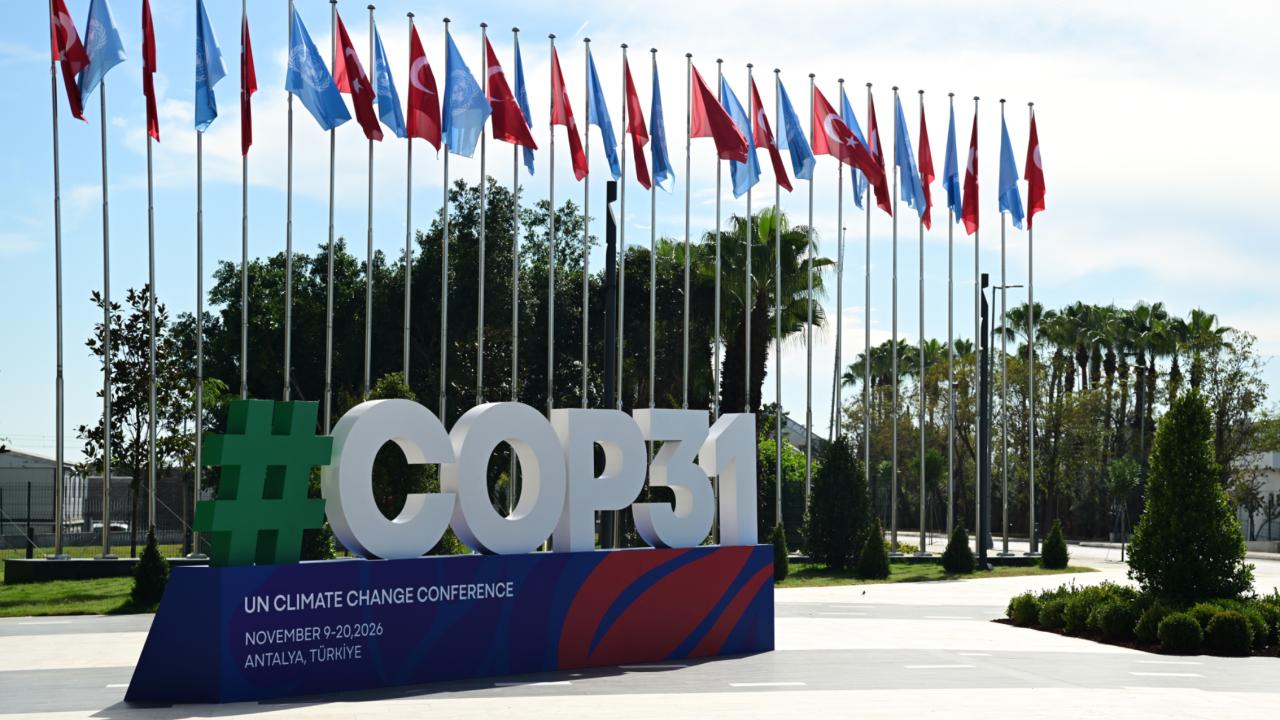
The 31st Conference of the Parties (COP), the most significant platform for global environmental diplomacy, is scheduled to be hosted by Antalya, Turkey, from November 9 to 20. Since the first steps taken in Berlin in 1995, this 31-year journey has been recorded as the most comprehensive diplomatic test humanity has ever faced to protect the future of the planet. The summit in Antalya is viewed as a critical threshold for implementing concrete action plans at a time when the climate crisis is no longer a 'future scenario' but a 'present reality.'
The COP process is not merely a series of technical meetings; it is a negotiation table where the global economic order is being redefined. The first COP, held in 1995 in Berlin under the presidency of then-German Environment Minister Angela Merkel, brought together 117 parties and 53 observer countries with the aim of establishing a global will to combat climate change. Since then, these summits have evolved into both technical platforms and arenas where the socio-economic divides between nations are debated.
Background of the Development
The 1995 Berlin Summit launched the process known as the 'Berlin Mandate,' emphasizing that developed countries should take more responsibility for emission reductions. This period ignited debates on 'historical responsibility' between developed and developing nations. While developing countries pointed to Western states—which had already completed their industrialization—as the primary culprits of the climate crisis, developed nations argued that emission reduction should be binding for all global economies.
The second COP summit, held in Switzerland, marked a period where this tense atmosphere softened slightly. Notably, the United States, which had been at the center of criticism due to its intensive industrial activities, accepted the 'necessity of binding emission reductions to combat climate change,' which was a turning point in international diplomacy. However, this acceptance did not always find a swift response in practice; balancing national interests with global climate goals has remained the greatest challenge for these summits over the past 31 years.
Over the last three decades, COP summits have hosted many historic documents, from the Kyoto Protocol to the Paris Agreement. During this time, concepts such as financial support mechanisms, technology transfer, and 'loss and damage' funds have entered the lexicon. The 31st summit in Antalya will build upon this historical accumulation and focus on providing a new roadmap for how the financial resources needed by developing countries for their green transition will be secured.
Expert and Industry Insights
Climate economists and environmental policy experts state that the Antalya summit represents a stage where decisions made in previous years will undergo a 'feasibility' test. According to experts, setting targets is no longer sufficient; the financial and technological infrastructure of these targets must be materialized.
- Integrating emission reduction targets into national budgets is a necessity.
- Financing 'just transition' mechanisms for developing countries is of critical importance.
- The private sector must be supported by government incentives for green energy investments.
- Technology transfer plays a key role in reducing the global carbon footprint.
- Climate adaptation projects should be viewed not just as environmental efforts, but as economic development moves.
Industry representatives emphasize that a radical transformation is essential, particularly in the energy, agriculture, and transportation sectors. The Antalya summit is expected to encourage international collaborations that will reduce carbon intensity in these sectors. Experts underline that the flow of 'green finance' must be restructured to meet the development needs of the Global South, not just among developed nations.
Economic and Social Implications
Combating climate change is no longer just an environmental approach; it is a matter of direct economic security. Decisions made at COP summits affect a wide spectrum, from global trade rules to energy prices, and from agricultural production to the insurance sector. The summit in Antalya will provide a platform that aligns with Turkey's 'Green Development Revolution' goals, opening new doors for cooperation between local and global stakeholders.
From a social perspective, climate-induced migration and food security issues are among the most humanitarian agenda items of the summit. Increasing humanitarian support from developed countries to the regions most affected by the climate crisis is considered not just an act of aid, but a necessity for maintaining global stability. In the markets, practices such as 'carbon taxes' and 'carbon border adjustments' are forcing companies to redefine their strategies.
Future Projections and Outlook
Expectations for the 31st COP summit in Antalya are quite high. There is significant curiosity regarding the extent to which countries will update their commitments to reach 2030 and 2050 targets. Experts expect the summit to evolve from a 'talking platform' into an 'action-oriented' process. In this context, countries are expected to revise their Nationally Determined Contributions (NDCs) with more ambitious targets.
In the coming period, the element of 'trust' will be at the heart of climate diplomacy. Developed countries keeping their promises of financial support to developing nations will be one of the fundamental factors determining the success of the summit. Antalya could be a turning point for restoring this trust and accelerating global climate action.
In conclusion, the 31-year COP odyssey is the story of humanity's search for a common solution to a common threat. As a new chapter in this story, the summit in Antalya will remind the whole world once again that the fight against the climate crisis is not just a diplomatic game, but a struggle for existence.
💬 Yorumlar 0
Henüz yorum yapılmamış. İlk yorumu siz yazın!





