Global Diplomacy Hub in Antalya: President Erdoğan's Intensive COP31 Summit Agenda and Strategic Maneuvers
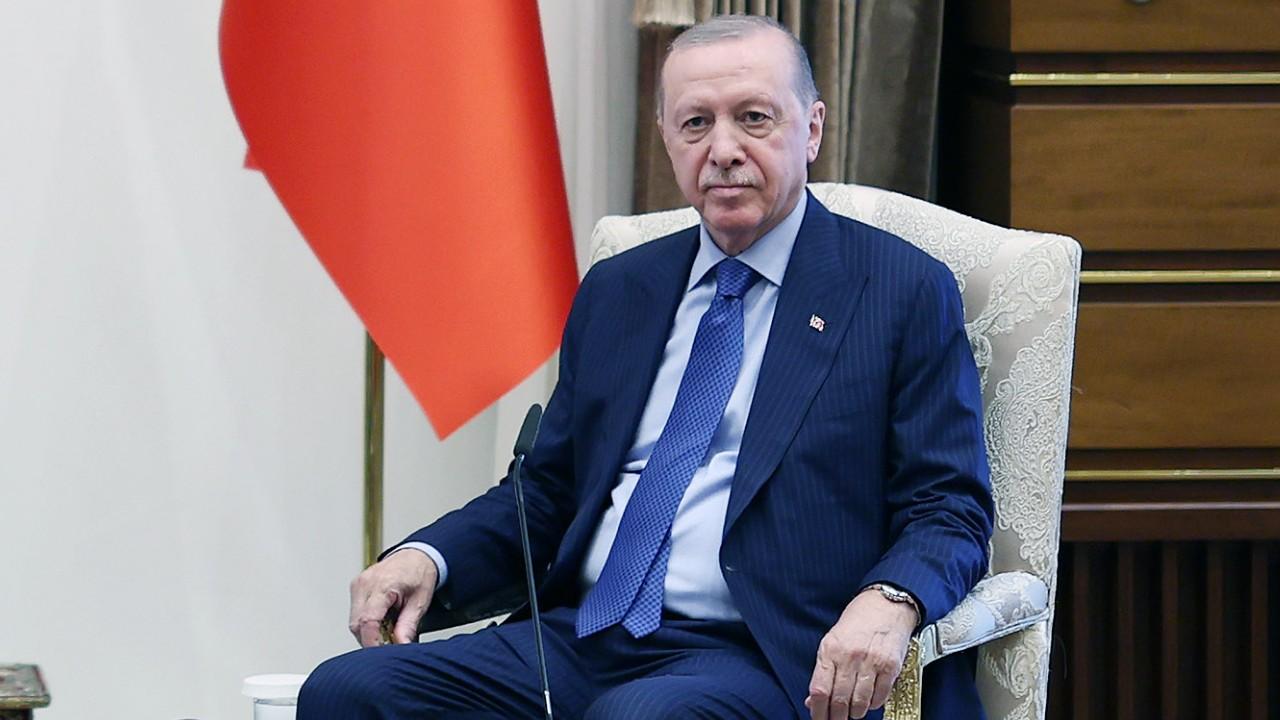
Antalya has transformed into the beating heart of global climate policy and international diplomacy as President Recep Tayyip Erdoğan commenced critical bilateral meetings on the sidelines of the Leaders Summit of the 31st Conference of the Parties (COP31) to the UN Framework Convention on Climate Change. Hosting world leaders in the Mediterranean hub, Erdoğan once again demonstrated that Turkey is a key actor not only in environmental issues but also in resolving regional conflicts. According to the Directorate of Communications, a cornerstone of Erdoğan's diplomatic traffic was his meeting with UN Secretary-General Antonio Guterres, where they conducted a comprehensive review of issues ranging from the climate crisis to the humanitarian situation in Gaza and the ongoing war in Ukraine.
During the summit, President Erdoğan also received Ethiopian Prime Minister Abiy Ahmed to discuss the Horn of Africa and bilateral relations. Accompanying Erdoğan in this intensive diplomatic marathon was a high-level delegation including Foreign Minister Hakan Fidan, Minister of Energy and Natural Resources Alparslan Bayraktar, Minister of Treasury and Finance Mehmet Şimşek, and Minister of Industry and Technology Mehmet Fatih Kacır. The presence of MIT Head İbrahim Kalın and Communications Director Burhanettin Duran further underscored that this summit is not merely an environmental gathering but a multi-dimensional state strategy encompassing economy, energy, and national security.
Background of the Development
Turkey's assumption of the COP31 Presidency and the selection of Antalya as the host city are the results of the country's proactive foreign policy and climate diplomacy over the past decade. During his meeting with Guterres, President Erdoğan expressed Turkey's satisfaction in undertaking the COP31 Presidency, emphasizing that this was the culmination of meticulous preparations. Following the ratification of the Paris Agreement, Turkey declared its 2053 Net Zero Emission target, aiming to climb to the top tiers of the global climate league. This summit in Antalya serves as a platform where these environmental goals are transformed into concrete diplomatic instruments.
Historically, Turkey's role as a mediator has become increasingly prominent, particularly during the Ukraine-Russia war and tensions in the Middle East. Erdoğan's statement to Guterres regarding his hope for the meeting to be a "new starting point for solving climate-induced problems" reflects Turkey's vision of linking environmental issues with geopolitical stability. Unlike previous COP summits, Antalya has taken on the mission of building a bridge between the Global North and the Global South. This situation showcases Turkey's ability to utilize its geographical advantage as a diplomatic lever to foster international cooperation.
Furthermore, the meeting with Ethiopian Prime Minister Abiy Ahmed indicates the deepening of Turkey's strategic partnership with Africa. Over the last ten years, Turkey has made significant investments in the African continent, not only in trade but also in establishing peace and stability. Conducting such bilateral meetings on a global platform like COP31 supports Turkey's claim to be a voice for the Global South. The completion of all preparations for the organizational success of the summit has once again proven Turkey's capacity to manage large-scale international organizations to the global community.
Expert and Industry Insights
Industry representatives and international relations experts define this summit in Antalya as a pinnacle of Turkey's soft power. The presence of finance and energy ministers in the delegation is seen as proof that the fight against climate change cannot be considered independently of economic transformation. Experts predict that Turkey's COP31 presidency will create critical impacts in the following five key areas:
- Diplomatic Mediation: Turkey's facilitator role in crises such as the Iran-USA tension and the Ukraine-Russia war can provide a conciliatory ground for climate negotiations.
- Green Finance and Economy: The participation of Mehmet Şimşek strengthens the strategy for accessing international financial resources needed for Turkey's green transition.
- Energy Supply Security: Alparslan Bayraktar's presence symbolizes the integration of renewable energy investments and the vision of being an energy corridor with climate goals.
- Technological Transformation: The representation by Mehmet Fatih Kacır is vital for introducing domestic and national technological solutions that reduce carbon emissions in industry to the global market.
- Regional Stability: The contacts of İbrahim Kalın and Hakan Fidan aim to manage migration and security risks that the climate crisis might trigger.
In light of these evaluations, it is evident that Turkey sits at the table not just as a host but as a rule-setter and mediator. Sector stakeholders expect that following the summit, new incentive packages and international collaborations for increasing Turkey's renewable energy capacity and accelerating the green transformation in industry will come to the fore.
Economic and Social Implications
The economic reflections of hosting COP31 in Antalya are felt in the short term through the tourism and service sectors, while in the long term, they are expected to influence foreign direct investments and green bond markets. Minister of Treasury and Finance Mehmet Şimşek's contacts at the summit offer a direct opportunity to convey Turkey's commitment to sustainable finance to global investors. This could pave the way for a reduction in Turkey's risk premium and the entry of funds focused on the green economy into the country.
From a social perspective, the summit has raised climate change awareness in the Turkish public to the highest level. President Erdoğan's emphasis on a "new beginning for climate-induced problems" contributes to the establishment of environmental sustainability consciousness across all segments of society. Additionally, the humanitarian crises in Gaza and Libya discussed during the summit resonate socially as part of Turkey's conscientious diplomacy. For Turkey, located in the Mediterranean basin—one of the regions most affected by the climate crisis—this summit is also perceived as a matter of societal survival.
Economic stakeholders state that developments in industry and technology will accelerate the process of adaptation to international regulations such as the carbon tax. The presence of Minister Mehmet Fatih Kacır at the summit shows that Turkish industrialists are not alone in the green transformation process and that the state supports this process at the highest level. This is of vital importance for local producers to maintain their global competitiveness.
Future Projections and Outlook
The roadmap Turkey will follow during its COP31 presidency will be built on global climate justice. The messages conveyed by President Erdoğan to Guterres show that Turkey will not only focus on its own goals but will also defend the rights of developing countries. In future projections, Turkey's efforts to lower the tension between Iran and the USA and its desire to start a new dialogue process in Ukraine will be carried out in parallel with climate diplomacy.
According to the official calendar, a monitoring committee is expected to be established to implement the decisions taken during the summit, with Turkey taking a leading role. The discussion of the latest situations in Cyprus and Libya with Guterres indicates that Turkey will reinforce its vision of being an island of stability while protecting its rights in the Eastern Mediterranean. Among the risks is the possibility of global geopolitical tensions overshadowing climate negotiations; however, Erdoğan's multi-faceted diplomatic traffic aims to minimize these risks.
In conclusion, the COP31 Leaders Summit in Antalya is a turning point where Turkey has solidified its power both on the ground and at the table in the fight against climate change, the greatest challenge of the 21st century. In the coming years, the seeds sown by Turkey at this summit are expected to yield tangible fruits for both regional peace and the global green economy. This strategic balance established in the triangle of diplomacy, economy, and environment will further elevate Turkey's position in the global system.
💬 Yorumlar 0
Henüz yorum yapılmamış. İlk yorumu siz yazın!