HÜRKUŞ-II Takes to the Skies: A New Era in Turkish Indigenous Pilot Training
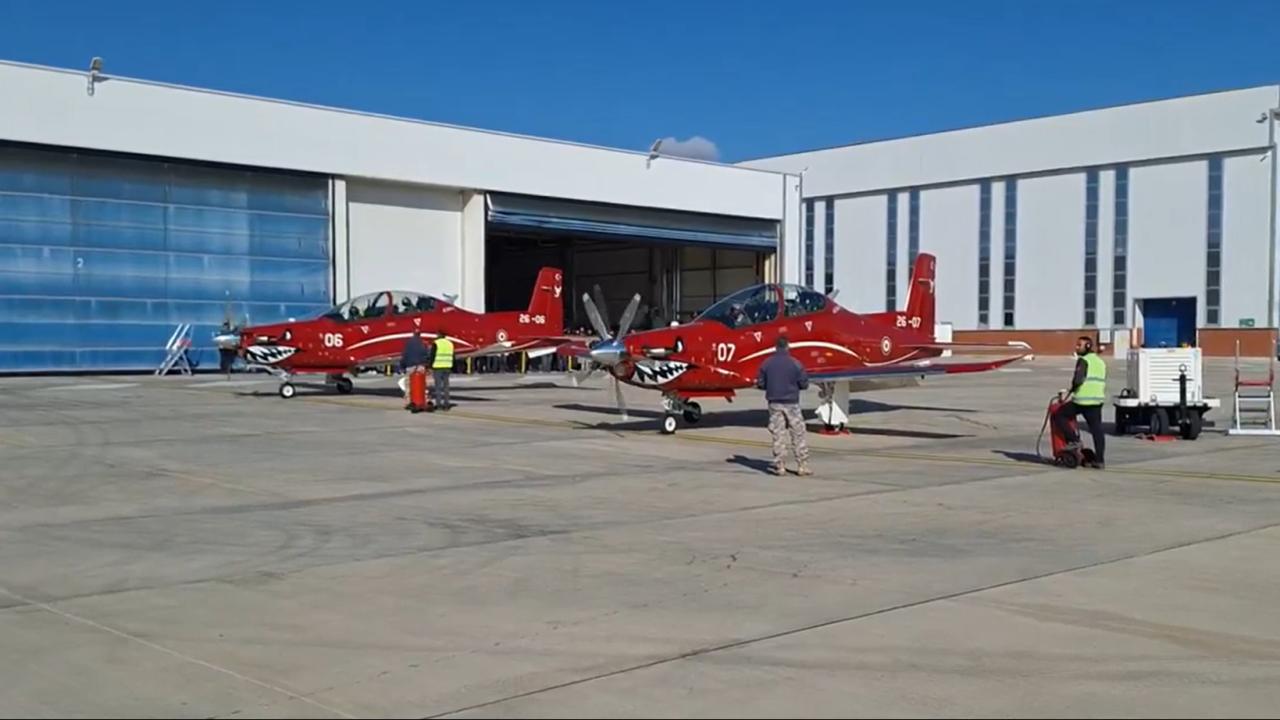
The HÜRKUŞ-II training aircraft, a source of pride for the Turkish defense industry, has reached its new deployment bases in accordance with the planned schedule. These advanced platforms, which have joined the inventory of the Turkish Air Force, are not merely aircraft but tangible symbols of Turkey's vision of independence in the aviation sector. Set to be utilized in the training processes of heroic Turkish pilots, the HÜRKUŞ-II is preparing to shape the air power of the future with its high maneuverability and modern avionics systems.
Welcomed with great enthusiasm during the delivery ceremony, these aircraft demonstrate the technological maturity that the Turkish aviation ecosystem has achieved through indigenous and national resources. Beyond being a basic trainer, the HÜRKUŞ-II aims to make the transition process for pilot candidates to jet aircraft much more efficient and safe, thanks to its sophisticated avionics architecture.
Background of the Development
The HÜRKUŞ project is the product of a long-term journey initiated within TUSAŞ with the goal of producing Turkey's own training aircraft. Data obtained from the flight tests of the initial prototypes served as the foundation for the design of the HÜRKUŞ-II, enhancing the aircraft's operational efficiency and ease of maintenance. Modified in line with the requirements of the Turkish Air Force, this model features a lighter structure and a more advanced digital cockpit interface compared to previous versions.
Historically, Turkey remained dependent on foreign-made training aircraft for many years. However, the steps taken toward localization in the defense industry since the early 2000s made the HÜRKUŞ project a necessity. As the most current and technologically capable link in this historical process, the HÜRKUŞ-II aims to completely eliminate Turkey's foreign dependency in training aircraft procurement.
The development of the project signifies not just the production of an aircraft, but also the enhancement of Turkey's aerospace engineering capacity. The inclusion of domestic subcontractors in the system from the design phase to mass production has further strengthened Turkey's defense industry ecosystem.
Expert and Industry Insights
Aviation experts describe the delivery of the HÜRKUŞ-II as a revolution in the training doctrine of the Turkish Air Force. The simulation and flight data processing capabilities offered by the HÜRKUŞ-II are of critical importance for training pilots capable of adapting to the complex systems of modern combat aircraft.
Industry representatives agree that this delivery is not only a logistical success but also a strategic move that increases Turkey's competitive power in the global aviation market. Key expert insights include:
- The HÜRKUŞ-II provides full compatibility with 5th-generation fighter jet training through its digital cockpit structure.
- Indigenous engine and avionics integration provide savings of up to 40% in maintenance and sustainment costs.
- The aircraft's high maneuverability accelerates the transition from basic to advanced training levels.
- Flexibility in TUSAŞ's production line allows for rapid adaptation to different mission configurations.
- Domestic software support guarantees the aircraft's full independence in terms of cybersecurity and data security.
Economic and Social Implications
The entry of the HÜRKUŞ-II into the inventory allows for more efficient use of Turkey's defense budget. The Turkish Air Force, freed from the spare parts and maintenance costs of foreign aircraft, will be able to redirect these resources to more strategic areas. Furthermore, the value-added generated through domestic production indirectly contributes to the reduction of Turkey's current account deficit.
From a social perspective, the HÜRKUŞ-II project is a source of inspiration for younger generations. These aircraft, produced by the hands of domestic engineers, support Turkey's vision of becoming a technology-producing nation and increase interest in the aviation sector. This creates a multiplier effect that encourages qualified human resources to turn toward the defense industry.
In terms of market dynamics, the success of the HÜRKUŞ-II also increases Turkey's export potential to friendly and allied nations. Having become a competitive player in the training aircraft market, Turkey now has the opportunity to diversify its defense industry exports by offering this platform to international markets.
Future Projections and Outlook
In the coming period, the development of different variants of the HÜRKUŞ-II and the expansion of its operational capacity are expected. While the Air Force Command plans to gradually replace the existing training fleet with the HÜRKUŞ-II, work is also underway on the integration of AI-supported training systems where flight data is analyzed.
Regarding risk management, the continuity of the supply chain and maintaining the speed of mass production will remain the primary priorities. While TUSAŞ continues to invest in new facilities to increase production capacity, efforts are also being made to develop new curricula that will optimize the training duration for pilot candidates.
In conclusion, the HÜRKUŞ-II is a candidate to be one of the most important elements reinforcing Turkey's sovereignty in the skies. The pilots of the future will dominate the heavens with these indigenous wings and will once again prove to the world the point Turkey has reached in aviation.
💬 Yorumlar 0
Henüz yorum yapılmamış. İlk yorumu siz yazın!





