Minister Kurum: Sharing the Zero Waste Consciousness with the World through the Zero Waste Kitchen
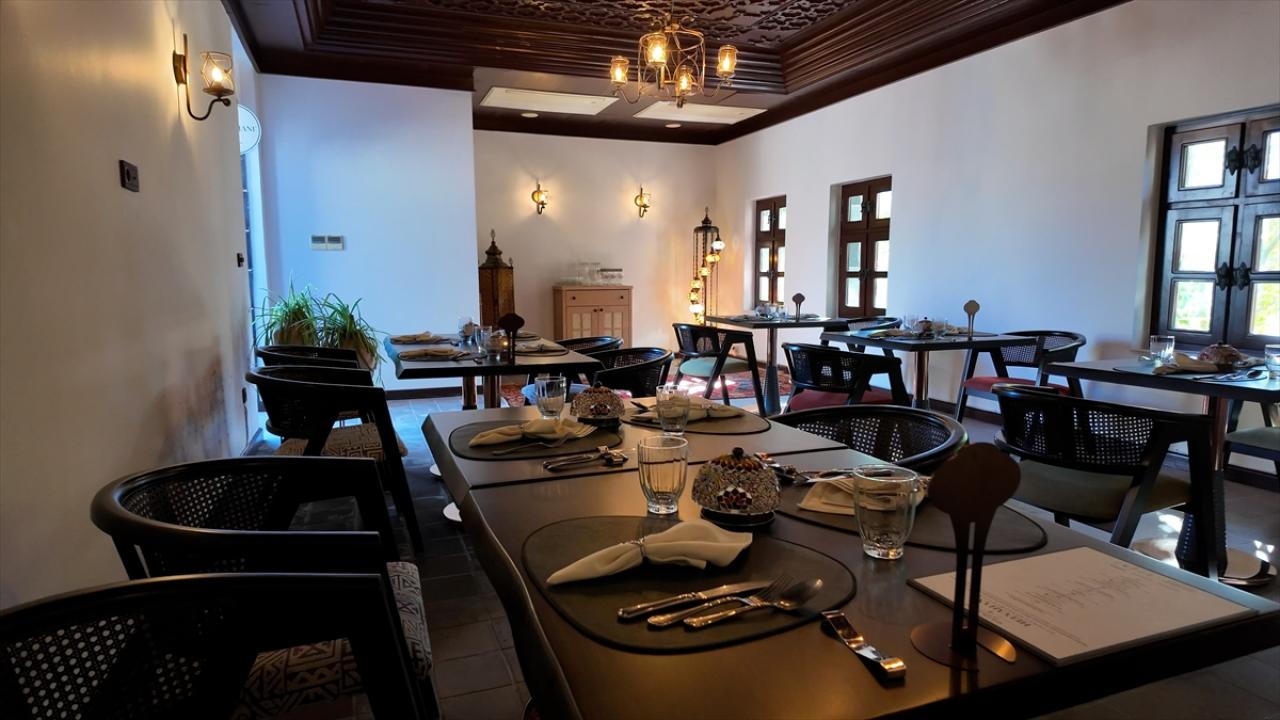
The 31st Conference of the Parties (COP31) to the United Nations Framework Convention on Climate Change, hosted by Turkey in Antalya, has transformed into a platform where concrete steps are taken in the fight against climate change. On the third day of the summit, the focus was on 'Zero Waste,' with Minister of Environment, Urbanization and Climate Change Murat Kurum emphasizing that this vision has evolved into a global movement. The '7 Regions 7 Kitchens' area in the Green Zone was designed not just as a dining space, but as a laboratory for sustainability and resistance against food waste.
Despite the COP31 venue covering a massive area of 1.1 million square meters, the Zero Waste Management System is meticulously applied throughout the entire site. Minister Kurum stated that this system is not merely an environmental policy but a way of life, expressing his determination to spread the Zero Waste consciousness to the entire world. The circular system applied in the kitchens focuses on more than just waste separation at the source; it prioritizes the most efficient use of food materials.
Background of the Development
The Zero Waste movement has emerged as one of the most strategic steps Turkey has taken in its environmental policies in recent years. Initially starting on a local scale, it has since become an international day and a global vision under the auspices of the UN. COP31 serves as the largest global stage for showcasing the technical and practical applications of this vision.
Historically, food waste accounts for a significant portion of global carbon emissions. Turkey has set its sights on placing culinary culture within a sustainable framework, based on this reality. The summit area in Antalya serves as a pilot region, proving that waste management is not just a theoretical concept but an operational success.
The Zero Waste Kitchen combines the traditional Turkish culinary culture of 'abundance' and 'not wasting' with modern techniques. Comprising 5 different restaurants and an exhibition area, this structure demonstrates with concrete examples how waste can be transformed into sources of flavor. This approach is not just an environmental project but a synthesis of cultural heritage with modern climate policies.
Expert and Industry Insights
Industry representatives and environmental experts state that the Zero Waste Kitchen is a turning point for the food industry. According to experts, standardizing waste management in kitchens has the potential to significantly reduce the carbon footprint. As Chef Mustafa Kuri emphasized, the goal of 'no longer producing waste from our kitchens' is seen as a model applicable on an industrial scale.
- Composting and reprocessing food waste reduces methane gas emissions.
- Circular kitchen models increase economic efficiency by reducing raw material costs.
- Using local products minimizes emissions caused by logistics.
- Zero Waste consciousness makes consumer purchasing habits more sustainable.
- Repurposing kitchen waste strengthens food security and supply chain resilience.
Experts argue that such practices should become mandatory standards not only in summit areas but throughout the hospitality and restaurant sectors. Launching this practice in Antalya, the heart of the tourism sector, carries a critical message for sectoral transformation.
Economic and Social Implications
The economic impact of Zero Waste practices is directly related to the more efficient use of resources and the prevention of waste. While the annual cost of food waste reaches billions of dollars in the global economy, Turkey's promotion of this model will provide a significant contribution to the national economy. Socially, the goal is to create a 'consumption consciousness' in every segment of society.
These kitchens, which citizens will be able to visit starting November 13, will serve as an educational space where theoretical knowledge meets practice. Demonstrating simple methods that people can apply in their own kitchens is considered one of the most effective ways to change social behavior.
Stakeholders anticipate that involving local producers in this cycle will support rural development and revitalize the local economy. The Zero Waste Kitchen does not just manage waste; it also builds a sustainable food network by shortening the distance between local producers and consumers.
Future Projections and Outlook
In the post-COP31 period, it is expected that the recipes and waste management protocols developed in the Zero Waste Kitchen will be disseminated across the country as a 'Zero Waste Kitchen Guide.' The official process includes the creation of incentive mechanisms for these practices to be adopted by public institutions and private sector businesses.
Risks include the difficulty of changing habits and the initial perception of high operational costs. However, in the long run, the efficiency brought by waste management will more than offset these costs. The future calendar aims to make this model a standard in international hotel chains and large-scale catering companies.
In conclusion, this vision showcased by Turkey at COP31 proves to the world that in the fight against climate change, not only high-tech solutions but also traditional and human touches, such as culinary culture, can be highly effective.
💬 Yorumlar 0
Henüz yorum yapılmamış. İlk yorumu siz yazın!





