Minister Şimşek Signals Positive Outlook on Current Account: Performance Expected to Beat MTP Targets
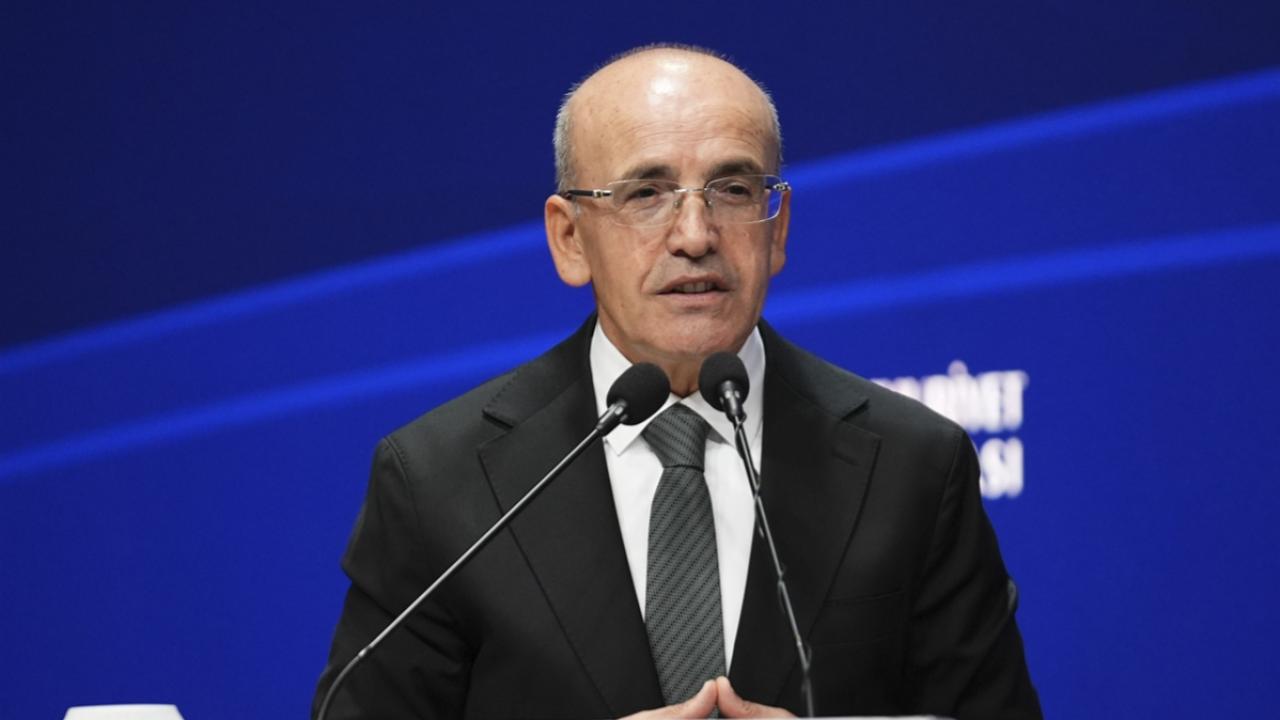
Treasury and Finance Minister Mehmet Şimşek has shared critical data regarding Turkey's external rebalancing process with the public. The recording of a $2.7 billion current account surplus in September stands as a concrete indicator of the improvement in Turkey's foreign trade balance. The decline of the annualized current account deficit to $39.2 billion demonstrates that the implemented macroeconomic stability policies are yielding results. Minister Şimşek emphasized that the strong trend in goods exports and the foreign exchange inflows provided by the tourism sector have pushed the annualized goods and services exports beyond $410 billion.
These figures reveal the resilience Turkey has developed against global economic fluctuations. Despite the global volatility in energy prices, keeping the current account deficit-to-GDP ratio under control is considered a success for the economic management. Minister Şimşek anticipates that the 1.9% current account deficit-to-GDP ratio targeted for 2025 will perform even better in the current environment, remaining below the MTP estimates.
Background of the Development
The Turkish economy has experienced one of the most challenging periods in recent history due to energy supply shocks triggered by the Russia-Ukraine War. The surge in the energy import bill created significant pressure on the current account balance. However, the monetary and fiscal policies implemented during this period managed to minimize the effects of this shock by balancing domestic demand and supporting exports.
From a historical perspective, Turkey's current account deficit has occupied the agenda for many years as a structural chronic problem. However, the steps taken recently have focused not only on closing the deficit but also on changing the composition of exports. High value-added production and market diversification constitute the cornerstones of this strategy.
The targets set by the government within the framework of the Medium-Term Program (MTP) reflect not just numerical discipline, but also a vision to reduce Turkey's external financing needs. The current account surplus in September proves that this vision is not just on paper but is reflected in real-sector data.
Expert and Industry Insights
Economists and industry representatives paint an optimistic picture regarding the sustainability of this improvement in the current account. According to experts, the increase in services exports and record levels in tourism show that Turkey has diversified its foreign exchange-earning activities. Sectoral evaluations highlight the following points:
- Increased product diversification in exports acts as a shield against global demand contractions.
- Investments in green and digital transformation increase competitiveness in the European Union market.
- The spread of tourism revenues throughout the year, rather than being seasonal, adds stability to the current balance.
- Energy efficiency projects reduce the share of the import bill in GDP.
- Maintaining macro-financial stability improves financing costs by lowering Turkey's risk premium in the eyes of foreign investors.
Industry representatives state that high value-added production is the most important element that will structurally reduce the current account deficit. The high value-added production target emphasized by Minister Şimşek is also supported by industrialists.
Economic and Social Implications
The narrowing of the current account deficit is not just a macroeconomic figure; it is also of critical importance for social welfare and price stability. Ensuring external balance reduces pressure on the Turkish Lira, strengthening the hand in the fight against inflation. The environment of trust created in the markets allows investors to make long-term plans.
From a social perspective, the export-led growth model directly affects the labor market. In particular, the capacity expansion of exporting firms supports economic activity by increasing the demand for skilled labor. This helps growth reach a more inclusive and balanced structure.
Discipline in public finance and improvement in external balance have also become a factor supporting Turkey's credit rating upgrades by international rating agencies. This directly contributes to the real economy by lowering external borrowing costs for both the public and private sectors.
Future Projections and Outlook
In the coming period, Turkey's primary goal is to keep the current account deficit at permanently low levels and minimize the need for external financing. The green and digital transformation processes pointed out by Minister Şimşek will form the main economic agenda for the next 5-10 years. This transformation will solidify Turkey's place in the global supply chain.
In the official process, it is expected that tight monetary policy and selective credit policies will continue, remaining loyal to MTP targets. Although risks include global geopolitical tensions and potential new shocks in energy prices, Turkey's increasing resilience shows that it has the capacity to manage these risks.
In conclusion, 2025 could be a turning point for Turkey in terms of the current balance. With the improvement in the quality of exports and the preservation of service revenues, Turkey's foreign trade deficit problem is expected to decline to its lowest levels in history.
💬 Yorumlar 0
Henüz yorum yapılmamış. İlk yorumu siz yazın!





