Organized Crime Leader with 116 Criminal Records to be Extradited to Turkey
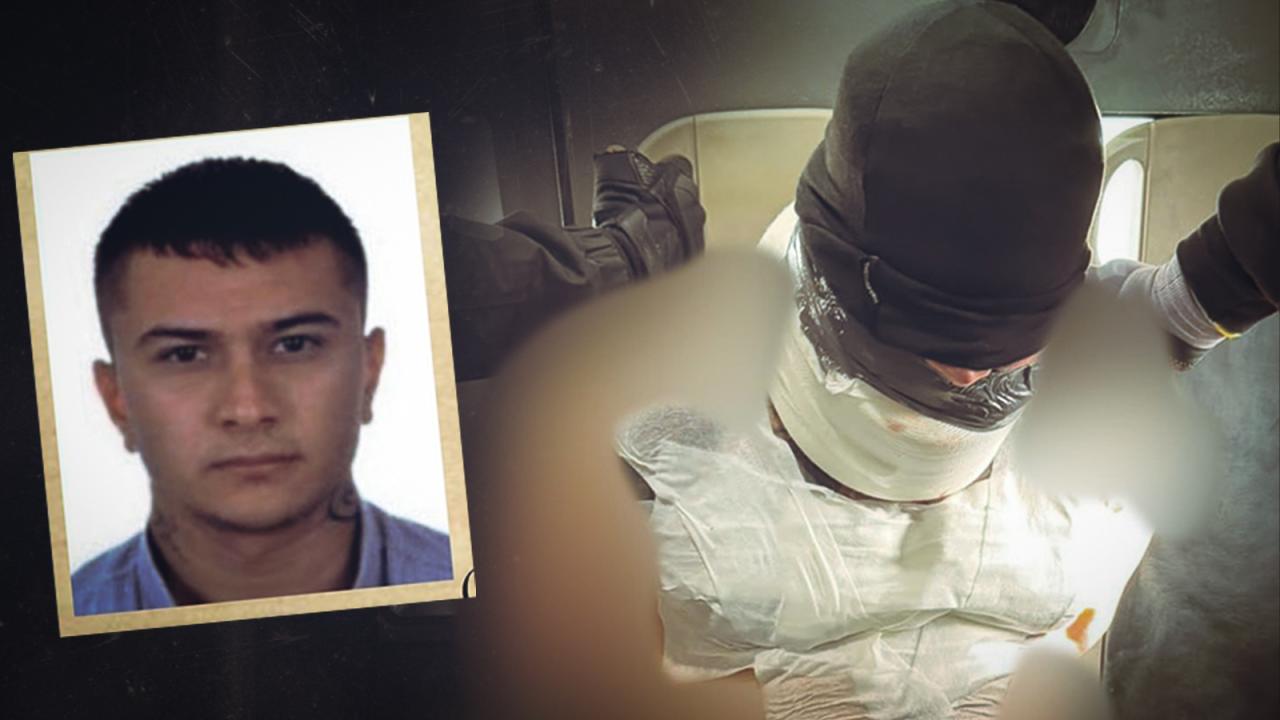
The Republic of Turkey's Ministry of Interior, in coordination with the General Directorate of Security's Intelligence and Anti-Smuggling and Organized Crime (KOM) departments, the Interpol-Europol National Central Bureau, and the Izmir Provincial Police Department, has achieved another significant success in the fight against organized crime. Sercan Sayal, the leader of a new-generation organized crime group wanted internationally via Red Notice for crimes including premeditated murder, intentional homicide, establishing an organization for criminal purposes, and qualified robbery, is being brought back to Turkey from Greece. This operation once again demonstrates Turkey's unwavering determination to track down and bring to justice criminals beyond its borders.
Sercan Sayal's criminal record clearly illustrates the extent of the damage organized crime inflicts on the social fabric. Investigations revealed that Sayal had 116 separate arrest warrants and was responsible for orchestrating 90 shooting incidents, 3 assaults, 1 intentional homicide, and 164 acts of intimidation, particularly in the Izmir region. Thanks to the coordinated efforts of state security units, the process of ending Sayal's fugitive life and bringing him to justice has been initiated.
Background of the Development
Turkey's fight against organized crime has entered a new phase in recent years through digital intelligence and international cooperation. The Sercan Sayal case is not merely the apprehension of an individual, but a testament to Turkey's operational capability beyond its borders. While organized crime groups previously used borders as escape routes, Turkish security units now effectively utilize international mechanisms such as Interpol and Europol to close these escape paths.
The operational process matured as intelligence gathered locally by the Izmir Provincial Police Department was combined with strategic analysis from the General Directorate of Security's KOM Department. The Ministry of Justice's execution of international legal processes and the diplomatic and judicial cooperation established with Greek authorities played a key role in Sayal's apprehension. This process reflects Turkey's diplomatic weight in combating international criminal networks.
Historically, Turkey's struggle against organized crime has gained momentum since the 2000s with the enhancement of institutional capacity. The strength of the state's memory and operational reflexes, especially against "new generation" criminal organizations that utilize digital methods, is certified by such extradition processes.
Expert and Industry Insights
Security experts interpret Sercan Sayal's extradition as a sign that the search for "safe havens" by organized crime groups is no longer yielding results. Industry representatives and legal experts state that such operations not only punish the criminal but also dismantle the financial and operational structure of crime syndicates.
- International cooperation is emphasized as narrowing the operational space of criminals and increasing deterrence.
- Digital tracking techniques are stated to render the hiding strategies of organized crime groups ineffective.
- Extradition processes are noted to reinforce Turkey's credibility in the eyes of international law.
- The success of coordination between local police units and central headquarters is seen as the key to operational speed.
- It is observed that the state is developing "new generation" intelligence methods against the "new generation" structures of crime syndicates.
Experts also argue that this operation will create a psychological effect that will discourage participation in crime syndicates. The message that the state will not give up on those who commit crimes and flee is of critical importance for the establishment of social peace.
Economic and Social Implications
Organized crime groups harm society not only through physical violence but also by disrupting economic stability. In regions where individuals like Sercan Sayal operate, the intimidation of local merchants and the acquisition of illicit gains directly negatively affect the local economy. This operation is a major step toward restoring the commercial trust environment in the region.
From a social perspective, public trust in justice increases as the state finds and brings back such criminals from anywhere in the world. The perception that "there is no place beyond the state's reach" is the strongest psychological shield for the protection of public order. As Minister of Interior Mustafa Çiftçi emphasized, the fact that those who threaten the peace of the nation will not find a "safe haven" is welcomed with great satisfaction by society.
Furthermore, the "deterrent effect" created by these operations exerts pressure on potential criminals. The fact that the cost of crime, combined with the difficulty of escape, has become unaffordable is a factor accelerating the disintegration of organized crime groups.
Future Projections and Outlook
According to data from the Ministry of Interior, the return of 805 fugitives, including 189 gang leaders and members, from 45 countries to Turkey since the beginning of the year is proof that this struggle will not lose momentum in the coming period. Future projections suggest that AI-supported intelligence analysis will be used more intensively and real-time data sharing with international police organizations will increase.
Following Sercan Sayal's return to Turkey, the trial process will begin, and his criminal file will be comprehensively addressed by the courts. This process will offer an opportunity not only to punish Sayal but also to uncover all the connections of the organization.
In conclusion, Turkey's fight against organized crime is not just a matter of public order, but also a matter of sovereignty and the rule of law. The state's determined stance will continue with a "zero tolerance" policy against criminal organizations in the coming period. The peace and security of the citizens will remain the state's most fundamental priority.
💬 Yorumlar 0
Henüz yorum yapılmamış. İlk yorumu siz yazın!





