President Erdoğan: We Are Decisively Continuing Our Green Development Journey
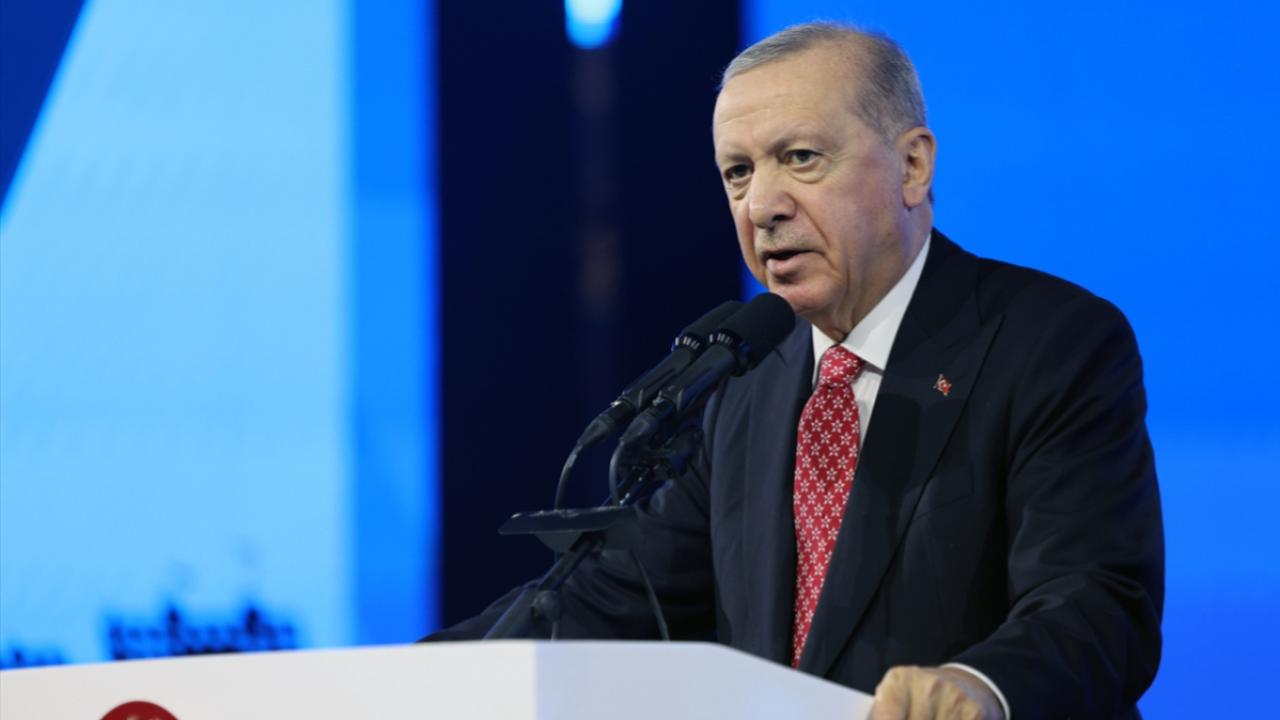
President Recep Tayyip Erdoğan, in his address at the COP31 Leaders' Summit held in Antalya, once again declared to the world Turkey's green development vision and its determination to combat climate change. This massive organization, which opened its doors on November 9 and will continue until November 20, symbolizes Turkey's rising power in the arena of multilateral diplomacy. Hosting 96 world leaders, the summit is on its way to becoming one of the most comprehensive climate conferences in history with a target of 100,000 participants.
Organized in Antalya on an EXPO area of 1.1 million square meters, COP31 has been designed not just as an environmental meeting, but as an implementation platform where concrete solutions to the global climate crisis are developed. President Erdoğan highlighted the 'zero waste' vision on the first day of the summit, while drawing attention to the importance of 'resilient cities' and 'sustainable environment' themes on the second day.
Background of the Development
The COP series of conferences is the most critical diplomatic process held annually under the United Nations Framework Convention on Climate Change, determining the future of our planet. After becoming a party to the Paris Climate Agreement, Turkey adopted its '2053 Net Zero Emission' target as a national strategy. This process is not only an environmental necessity but also a transformation project that reshapes Turkey's industrial, energy, and transportation policies.
Turkey hosting this summit is a result of the infrastructure capacity developed over the last two decades and its success in international crisis management. In particular, the rapid recovery process carried out in the region after the February 6 earthquakes proved Turkey's practical experience in 'resilient cities' to the world. The construction of 455,000 houses and workplaces in less than three years is not only a construction success but also a global example in the context of sustainable development and disaster management.
Historically, COP31 is a turning point where Turkey's investments in green energy, the increase in renewable energy capacity, and efforts to reduce the carbon footprint are registered in the international arena. The selection of Antalya carries a strategic message for the protection of sectors directly affected by the climate crisis, such as tourism and agriculture.
Expert and Industry Insights
Climate economy experts state that COP31 will serve as a lever for Turkey's 'Green Development Revolution.' Industry representatives emphasize that this summit will make Turkey's export capacity more competitive with the process of compliance with the European Green Deal. Key expert opinions are as follows:
- Access to climate finance has become a critical threshold for developing countries.
- The resilient cities model should be the basic standard not only for post-disaster but also for pre-disaster planning.
- Zero waste policies, as the cornerstone of the circular economy, provide cost advantages in industrial production.
- Renewable energy investments ensure energy security by reducing Turkey's external dependence.
- International collaborations are essential for technology transfer and mobilizing green finance resources.
Industry representatives state that with this summit, Turkey has risen to the position of a solution partner and a leading country, not just an observer, in the fight against climate change. In particular, investments in energy efficiency and clean energy technologies are expected to directly affect Turkey's economic growth model in the next decade.
Economic and Social Implications
The economic implications of COP31 are not limited to environmental policies but also directly affect Turkey's investment climate. Green bonds, sustainable financing instruments, and carbon tax regulations have become the most important agenda items for the business world. This summit offers a great opportunity for Turkey to demonstrate its determination in the 'green transformation' process to international investors.
Socially, the spread of 'zero waste' awareness to all segments of society triggers a social transformation in a wide range, from individual consumption habits to the waste management strategies of local governments. The sustainable architectural practices applied in the reconstruction process in the earthquake zone are an indicator of Turkey's determination to protect social welfare.
In terms of market balances, the transition to green energy encourages domestic technology production while reducing Turkey's energy import bill. This is a critical strategic move to reduce the current account deficit and maintain economic stability in the long term.
Future Projections and Outlook
Following COP31, the process ahead for Turkey will focus on the implementation of the decisions taken at local and national scales. The 'Antalya Declaration,' which will be announced at the end of the conference that will last until November 20, will offer a new roadmap for global climate action. By being at the center of this declaration, Turkey aims to assume a global leadership role in the fight against climate change.
In the coming period, new incentive packages are expected to be announced for industrial facilities to reduce their carbon emissions in line with Turkey's '2053 Net Zero' targets. In addition, the widespread adoption of 'Smart Cities' projects, which will increase the climate change adaptation capacity of cities, will be among the government's priority agenda items.
In the balance of risks and opportunities, Turkey is expected to increase its share in the global green economy by combining the diplomatic momentum it has gained with this summit with technological transformation. COP31 will go down in history not just as a conference, but as one of the most important milestones of the green development journey that will shape Turkey's next century.
💬 Yorumlar 0
Henüz yorum yapılmamış. İlk yorumu siz yazın!





