Sunbed firms must not downplay cancer risk, says watchdog
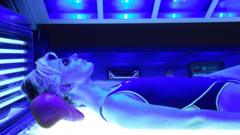
The Committee for Advertising Practice (CAP) in the UK has issued a stern warning to the tanning industry, declaring that misleading claims regarding the safety and medical benefits of sunbeds will no longer be tolerated. In a nationwide enforcement notice, the watchdog has made it clear that advertisers must cease presenting sunbeds as a safe alternative to natural sunlight or as a treatment for medical conditions. This move follows a surge in social media content identified by the BBC earlier this year, which falsely suggested that tanning beds could boost energy levels, treat skin conditions, or alleviate mental health issues.
James Burnett, the CAP's compliance executive, emphasized the severity of the situation, stating that sunbeds carry significant health risks, most notably an increased risk of skin cancer. "Ads should not downplay those risks or present sunbed use as a way to improve health," Burnett stated. The regulatory body is concerned that such marketing tactics not only deceive consumers but also discourage them from seeking appropriate medical advice or professional treatment for their conditions. This crackdown marks a significant escalation in the efforts of regulatory authorities to curb the spread of health-related misinformation on digital platforms.
Background of the Development
The relationship between the tanning industry and health authorities has long been characterized by tension. Organizations such as the World Health Organization (WHO) and various cancer research charities have consistently highlighted the dangers of ultraviolet (UV) radiation emitted by sunbeds. Scientific consensus indicates that there is no safe level of exposure to UV radiation from these devices, and their use is directly linked to higher rates of melanoma and other forms of skin cancer, particularly among younger users.
Historically, the industry has attempted to frame 'controlled tanning' as a lifestyle choice, often glossing over the long-term health implications. However, the rise of social media has exacerbated the issue, as influencers and salon owners have begun promoting sunbeds as 'wellness' tools. By claiming benefits like Vitamin D synthesis or acne treatment, these entities have created a distorted perception of health that lacks any rigorous scientific backing. The CAP's intervention is a strategic response to this growing trend of digital misinformation.
The Sunbed Association, representing roughly half of the UK's tanning salons, has expressed support for action against misleading advertisements. However, they maintain that legitimate businesses should still be allowed to demonstrate that they operate responsibly. This highlights the ongoing struggle to balance industry self-regulation with the stringent health policies enforced by public health watchdogs.
Expert and Industry Insights
Experts argue that minimizing the health risks of sunbeds normalizes the pursuit of a 'bronzed' look, often at the expense of long-term skin health. Dermatologists and oncologists warn that framing sunbeds as a medical treatment is particularly dangerous, as it may lead patients to delay necessary dermatological screenings or rely on ineffective, harmful methods for their ailments.
- Sunbed devices emit high-intensity UV radiation, which causes direct DNA damage to skin cells.
- There is a proven, direct correlation between the frequency of sunbed use and the risk of developing melanoma.
- Medical claims in advertising can lead consumers to bypass professional medical consultations.
- Social media algorithms play a significant role in amplifying health-related misinformation.
- Regulatory oversight is essential to ensure that industry marketing does not undermine public health messaging.
While industry representatives acknowledge the need for 'responsible' advertising, the CAP is redefining what that responsibility entails. It now explicitly includes the obligation to clearly communicate the inherent health risks associated with tanning bed usage.
Economic and Social Implications
This enforcement notice carries significant economic and operational consequences for tanning salons. Firms that have relied on health-oriented marketing will be forced to overhaul their advertising strategies entirely. While this may lead to a short-term contraction in revenue for some businesses, it is expected to foster a more transparent and trustworthy market environment in the long run.
From a social perspective, this development is a crucial step toward improving public health literacy. It encourages citizens to make more informed decisions regarding their aesthetic choices and their health. The public is being urged to exercise greater caution, particularly when encountering 'health advice' on social media platforms that lacks professional verification.
Future Projections and Outlook
The process initiated by the CAP signals a period of intensified scrutiny. The watchdog is expected to collaborate with social media platforms to remove misleading content and impose stricter penalties on non-compliant firms. In the coming months, businesses that fail to adhere to these advertising standards will likely face significant fines and potential operational restrictions.
Ultimately, the tanning industry is entering an era where it can no longer hide behind the mask of 'wellness' marketing. By prioritizing scientific evidence and public health over commercial interests, the regulatory framework is shifting to protect consumers from preventable harm. This development may serve as a precedent not only for the UK but for global markets grappling with similar issues regarding the promotion of potentially hazardous services.
💬 Yorumlar 0
Henüz yorum yapılmamış. İlk yorumu siz yazın!