The Era of Drone Highways in the Sky: A New Chapter in UAV Traffic Management in Turkey
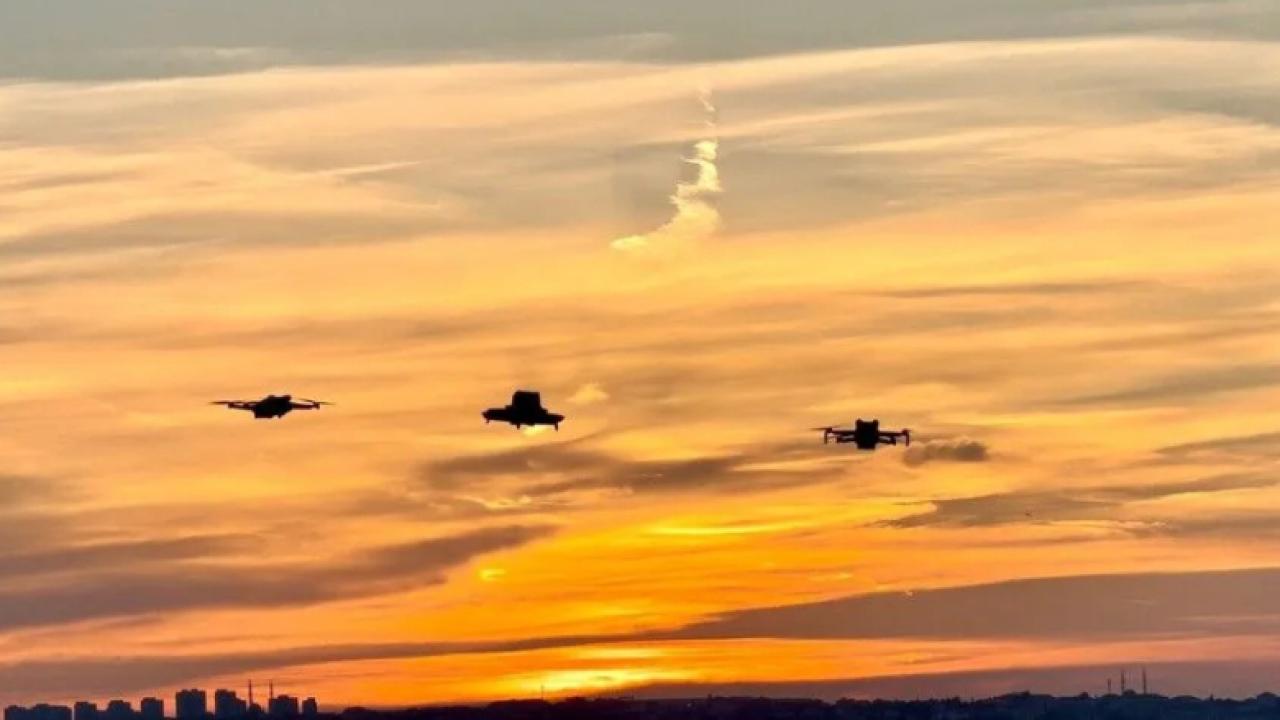
Minister of Transport and Infrastructure Abdulkadir Uraloğlu has launched a revolutionary era in Turkey's aviation vision. Announcing the establishment of UAV corridors within the framework of the Unmanned Aerial Vehicle Systems Instruction (SHT-UAV) published on July 30, 2026, Minister Uraloğlu stated that this system, known as 'drone highways,' will enable long-range, beyond-visual-line-of-sight (BVLOS), and autonomous flights for unmanned aerial vehicles (UAVs). This step aims to elevate Turkey's logistics and transportation capacity to the skies, establishing a safe and controlled transport network independent of traditional road traffic.
At the center of the system lies the UAV Tracking and Traffic Management System (IHATTYS), managed by the Directorate General of Civil Aviation (DGCA). This digital platform will act as a 'traffic police' that defines the boundaries, entry-exit points, and flight capacities of UAV corridors. Minister Uraloğlu emphasized that UAV software will be able to read this digital data directly, and flights will be conducted in the most efficient manner using AI-supported routes, avoiding restricted areas.
Background of the Development
The use of unmanned aerial vehicles has rapidly evolved from the military sector to the civilian sector over the last decade. However, this rapid growth has brought about serious security and regulatory needs regarding airspace management. Turkey aims to crown its success in domestic UAV production with the integration of these vehicles into civilian airspace. The SHT-UAV instruction forms the legal and technical foundation of this integration.
While UAV flights were largely limited to Visual Line of Sight (VLOS) in the past, the new regulation paves the way for Beyond Visual Line of Sight (BVLOS) operations. This will increase operational capacity in a wide range of areas from logistics to agriculture, health, and security. Turkey aims to be among the countries setting global standards in this field.
This process, carried out under the coordination of the DGCA, means not only a technology transfer but also the digitalization of airspace. The IHATTYS system is not just a tracking tool, but a dynamic management center capable of intervening in emergencies, changing routes instantly, or terminating flights.
Expert and Industry Insights
Aviation experts and technology analysts describe this development as the biggest step taken to solve the 'last-mile' delivery problem in Turkey's logistics sector. According to industry representatives, AI-supported autonomous flights will increase operational efficiency by minimizing human error.
- Digital airways increase safety by preventing conflicts in airspace usage.
- AI algorithms calculate the shortest and most energy-efficient routes, reducing the carbon footprint.
- For logistics companies, delivery times are shortened, independent of traffic density.
- In the health sector, the transfer of emergency blood, organs, or medicine gains vital speed through drone highways.
- The IHATTYS system creates a massive data pool for the development of the domestic software ecosystem.
Experts state that this system is not just a means of transportation, but also a major data management project. Security protocols, such as directing UAVs to pre-determined recovery areas without passing over residential zones, are seen as key elements that will increase public trust in this new technology.
Economic and Social Implications
The implementation of drone highways has the potential to create a new 'UAV economy' in the Turkish economy. Especially in the e-commerce and cargo sectors, drone-based deliveries are expected to reduce costs and increase delivery speeds. This will facilitate access to logistics networks for small and medium-sized enterprises.
From a social perspective, delivering medical supplies via drones to rural areas where health services cannot reach will directly affect social welfare. Furthermore, it is predicted that this new sector will open up new employment areas for thousands of software developers, operators, and technical personnel.
However, for this system to be accepted by the public, privacy and security concerns must also be managed transparently. As Minister Uraloğlu stated, protecting restricted areas and continuous monitoring of flights are of critical importance for the social acceptance of this system.
Future Projections and Outlook
In the coming period, it is expected that UAV corridors will be expanded across Turkey and harmonized with international airspace regulations. The technical standards to be set by the DGCA will directly affect the global competitiveness of domestic UAV manufacturers.
In terms of risk management, cybersecurity will remain the most important agenda item. Protecting the IHATTYS system against cyberattacks and ensuring uninterrupted communication infrastructure are vital for the project's success. The Ministry aims to accelerate infrastructure work in this regard and make Turkey a regional hub in unmanned air traffic management.
In conclusion, the 'drone highways' project is a reflection of Turkey's digital transformation vision in the sky. In the coming years, we will encounter a Turkey where UAVs gliding through the sky become a part of daily life, maximizing efficiency in many areas from logistics to health.
💬 Yorumlar 0
Henüz yorum yapılmamış. İlk yorumu siz yazın!





