The Heart of COP31 in Antalya: Kalyon Tower and Building a Sustainable Future
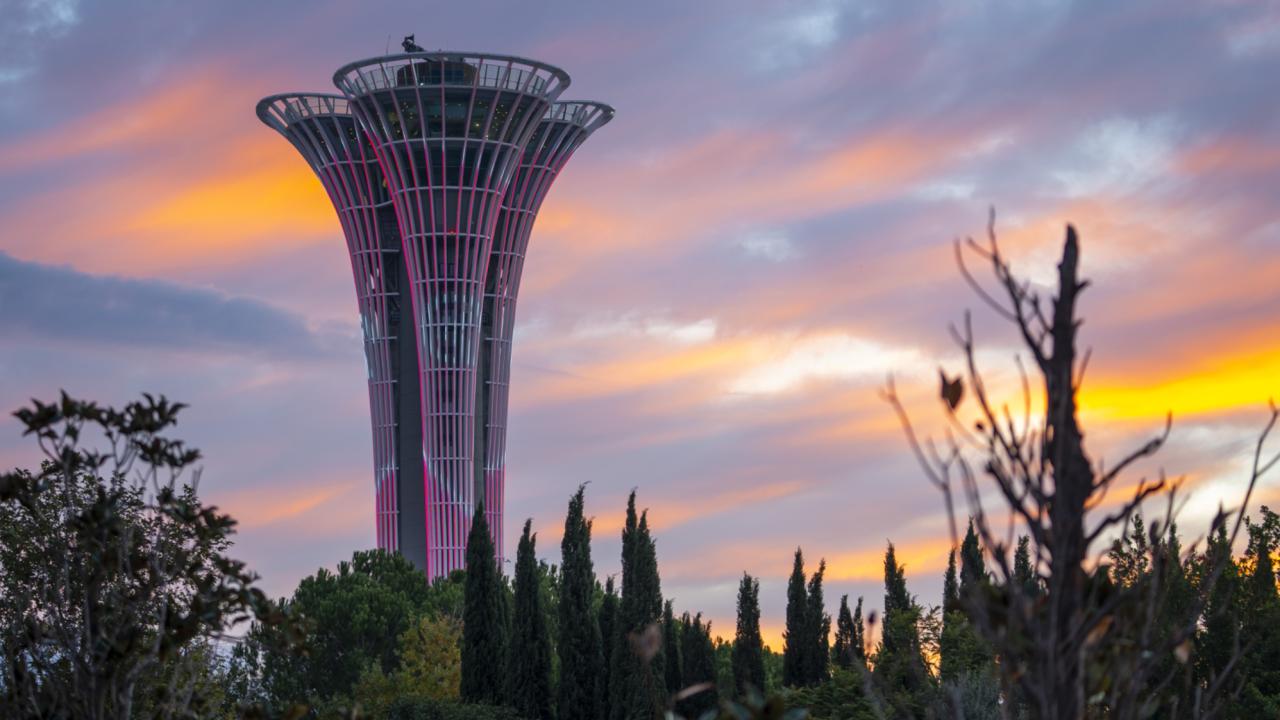
Antalya has positioned itself at the center of the global climate agenda by hosting the 31st Conference of the Parties (COP31) to the UN Framework Convention on Climate Change (UNFCCC). Coordinated by the Ministry of Environment, Urbanization and Climate Change, this massive organization has transformed into a platform where sustainable architecture and innovation are showcased alongside diplomatic negotiations. One of the most striking iconic structures of the summit, the COP31 Kalyon Tower, has become the focal point of the Green Zone with its architectural aesthetics and functionality.
The Green Zone, which covers 582,000 square meters of the total 1.1 million square meter COP31 area, offers visitors an interactive experience. The Kalyon Tower reflects the vision of the zone with its light shows and observation deck, which is open to the public twice a day, while three floors of the tower are planned as lounge areas to host international receptions. This structure serves not only as an observation point but also as a prestige project that embodies the summit's message of sustainability.
Background of the Development
COP31 was designed as a global turning point in the fight against climate change. The process hosted by Antalya aligns directly with Turkey's green transformation goals. While negotiations in previous COP summits were often held behind closed doors, this event has been opened to all segments of society through the Green Zone concept. The role of the Kalyon Tower in this ecosystem symbolizes the proactive role of the private sector in combating climate change.
The 3,600-square-meter Start-up Zone on the ground floor of the tower stands out as one of the most strategic sections of the summit. This area, where climate and sustainability-focused startups meet with investors, acts as an incubator that accelerates the commercialization process of next-generation green technologies. The presentations made here and the communication networks established form the basis of the concrete outcomes of COP31.
The Congress Center, with its 5,000-person main hall and additional halls with a capacity of 1,250, can host a total of 6,250 people simultaneously. Social areas such as the Grand Amphitheater and the Small Amphitheater host a wide range of events, from academic programs to cultural performances, aiming to spread climate awareness to the grassroots of society.
Expert and Industry Insights
Industry representatives and climate experts state that the physical infrastructure of COP31 offers a prototype for sustainable urbanization models. According to experts, the multi-functional use of structures like the Kalyon Tower represents the flexibility needed in the smart cities of the future.
- The direct meeting of climate technology startups with investors facilitates access to green finance.
- The capacity of the congress center allows for an increase in international academic collaborations.
- The tower's observation deck and lounge areas provide a neutral and prestigious environment for diplomatic meetings.
- Social areas in the Green Zone strengthen climate change awareness among the local public and younger generations.
- The Start-up Zone serves as a critical bridge for local innovations to enter global markets.
Experts emphasize that the continued functioning of such structures as "climate centers" even after the summit will place Antalya's tourism and congress capacity on a sustainable axis.
Economic and Social Implications
While COP31 provides direct and indirect contributions to the Antalya economy, it also registers Turkey's green economy vision in the international arena. The investor meetings held in the Start-up Zone increase Turkey's technology export potential, while partnerships established with international stakeholders strengthen long-term economic ties.
From a social perspective, the fact that the Green Zone is open to the public reinforces the message that the fight against climate change is not just a state issue but a social responsibility. Concerts, cultural events, and youth programs make it easier for complex issues like climate change to be understood and embraced by wider audiences.
In terms of the balance between the public and private sectors, the Kalyon Tower goes down in history as a successful example of public-private partnership, where the technical and architectural capabilities of the private sector (Kalyon) are showcased under the coordination of the public authority (Ministry of Environment).
Future Projections and Outlook
After COP31, the question of how this massive facility will be utilized remains a subject of curiosity. Expectations are focused on making this area a permanent "Climate and Innovation Center." In particular, it is expected that the partnerships sprouted in the Start-up Zone will turn into concrete projects in the coming years and contribute to Turkey's green energy transition.
Risks include the management of maintenance and operating costs of such massive structures after the summit. However, positioning the region as an international congress destination could minimize these risks. In the coming period, it is foreseen that the protocols signed at COP31 will be implemented and structures like the Kalyon Tower will remain at the center of this process.
💬 Yorumlar 0
Henüz yorum yapılmamış. İlk yorumu siz yazın!