The Heart of Global Climate Diplomacy Beats in Antalya: 102 Leaders to Attend COP31
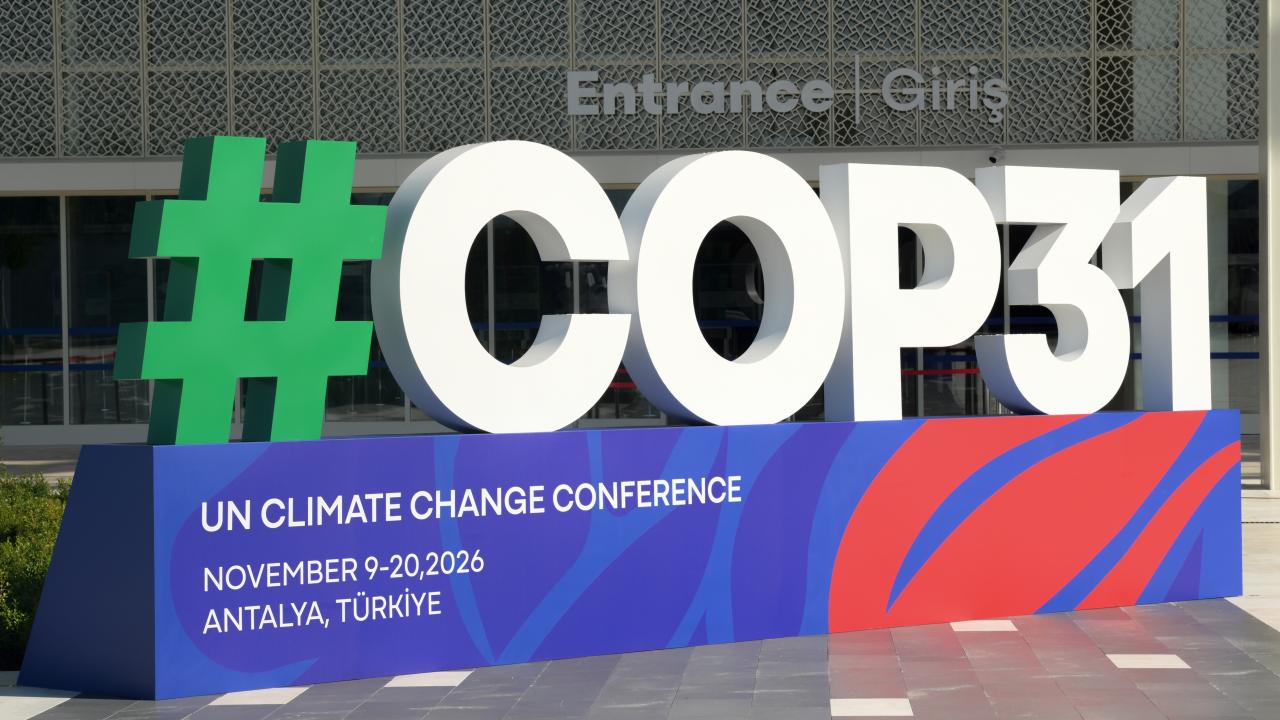
Turkey is preparing to host one of the most critical summits of global climate diplomacy, COP31. According to the official statement from the Ministry of Environment, Urbanization and Climate Change, the United Nations Framework Convention on Climate Change (UNFCCC) Conference of the Parties, which will be held in Antalya between November 9 and 20, will host 102 world leaders. With the participation of 196 countries and the European Union, the summit is set to be one of the most widely attended platforms to date in creating a collective response to the climate crisis.
It is reported that participation in the summit is not limited to heads of state, but also includes 7 international organizations represented at the leadership level. The participant profile consists of 37 heads of state, 35 heads of government, 8 vice presidents, 7 deputy prime ministers, 2 crown princes, 1 prince, 1 speaker of parliament, and 4 special envoys. The presence of institutions such as the European Commission, the UN, the World Bank, the OECD, the Organization of Islamic Cooperation, and the International Energy Agency proves that the summit holds significant geopolitical and economic weight, beyond just environmental concerns.
Background of the Development
The COP, the supreme decision-making body of the UNFCCC adopted in 1992, determines the direction of global climate policy through its annual sessions. This platform, which has produced the cornerstones of global climate action such as the Kyoto Protocol and the Paris Agreement throughout its history, has now evolved into a much more complex structure. The most distinctive feature of COP sessions is that decisions are made by consensus of all member countries, not by majority vote; this explains why negotiations sometimes last for weeks and why the search for consensus is so challenging.
While Turkey assumes the role of host and President at COP31, the technical management of the negotiations will be carried out by Australia. This cooperation model aims to strengthen the bridge between developed and developing economies. While emission reduction targets were at the forefront of summits held in previous years, the agenda of COP31 is focused on much more concrete and economically impactful topics such as climate finance, just transition processes, and adaptation mechanisms to climate change.
Hosting the summit in Antalya supports Turkey's vision of becoming a regional climate leader, while also holding symbolic importance as the Mediterranean basin is one of the regions most affected by climate change. This process, in which the greenhouse gas inventories of 196 countries will be examined and nationally determined contributions (NDCs) will be reviewed, serves as a vital test for the goal of limiting global warming to 1.5 degrees.
Expert and Industry Insights
Climate economy experts emphasize that COP31 is not just an environmental meeting, but also the construction of a new global economic order. Industry representatives expect concrete steps to be taken, especially regarding energy transition and green finance. The prominent assessments of experts are as follows:
- Climate Finance: How to mobilize the trillions of dollars needed for the green transition of developing countries should be the main agenda item.
- Just Transition: A global roadmap is essential for the transition of fossil fuel-dependent economies to renewable energy while protecting social welfare.
- Emission Reduction: National commitments must not remain on paper and should be monitored through independent audit mechanisms.
- Adaptation Strategies: Resilience projects against the damage already caused by climate change should become as much of a priority as mitigation.
- Technology Transfer: It is a critical threshold for developed countries to provide their green technologies to countries with limited access under more favorable conditions.
Industry analysts state that the participation of 102 leaders shows that political will is at the highest level, but success will be measured by whether this will translates into financial commitments. The participation of the World Bank and the International Energy Agency, in particular, could act as a catalyst for involving the private sector in this process.
Economic and Social Implications
The economic implications of COP31 will not be limited to carbon taxes or green bonds. The summit is opening the doors to a new industrial revolution worldwide. For developing economies like Turkey, this summit offers a great opportunity to attract green technology investments and maintain competitiveness in export markets. Negotiations held in the shadow of mechanisms such as the European Union's carbon border adjustments could rewrite the rules of global trade.
From a social perspective, climate change is no longer just an environmental issue, but is accepted as a matter of migration and security. The participation of leaders from island nations and African countries struggling with drought shows that the issue of climate justice will be placed at the center of the summit. The social expectation is that leaders should not only set climate targets but also offer a clear vision of how these targets will affect the welfare and employment of their people.
Future Projections and Outlook
After COP31, eyes will turn to how the decisions taken will be reflected in national legislations. Expectations are for a roadmap similar to the "Antalya Accord" to emerge at the end of the summit and for a concrete fund mechanism to be established regarding climate finance. The risks are quite clear: Geopolitical tensions stalling negotiations or developed countries failing to fulfill their financial commitments could lead to a serious loss of trust in global climate action.
In the coming period, countries are expected to report their greenhouse gas inventories more transparently and revise their emission reduction targets. Turkey's hosting has the potential to leave a lasting mark on global climate diplomacy by acting as a mediator in this challenging process. Whether the summit in November will be a turning point in humanity's fight against the climate crisis or remain just another diplomatic meeting will be determined by the depth of the negotiations to be held in the coming days.
💬 Yorumlar 0
Henüz yorum yapılmamış. İlk yorumu siz yazın!





