Turkey's Logistics Vision: The Development Road and Global Trade
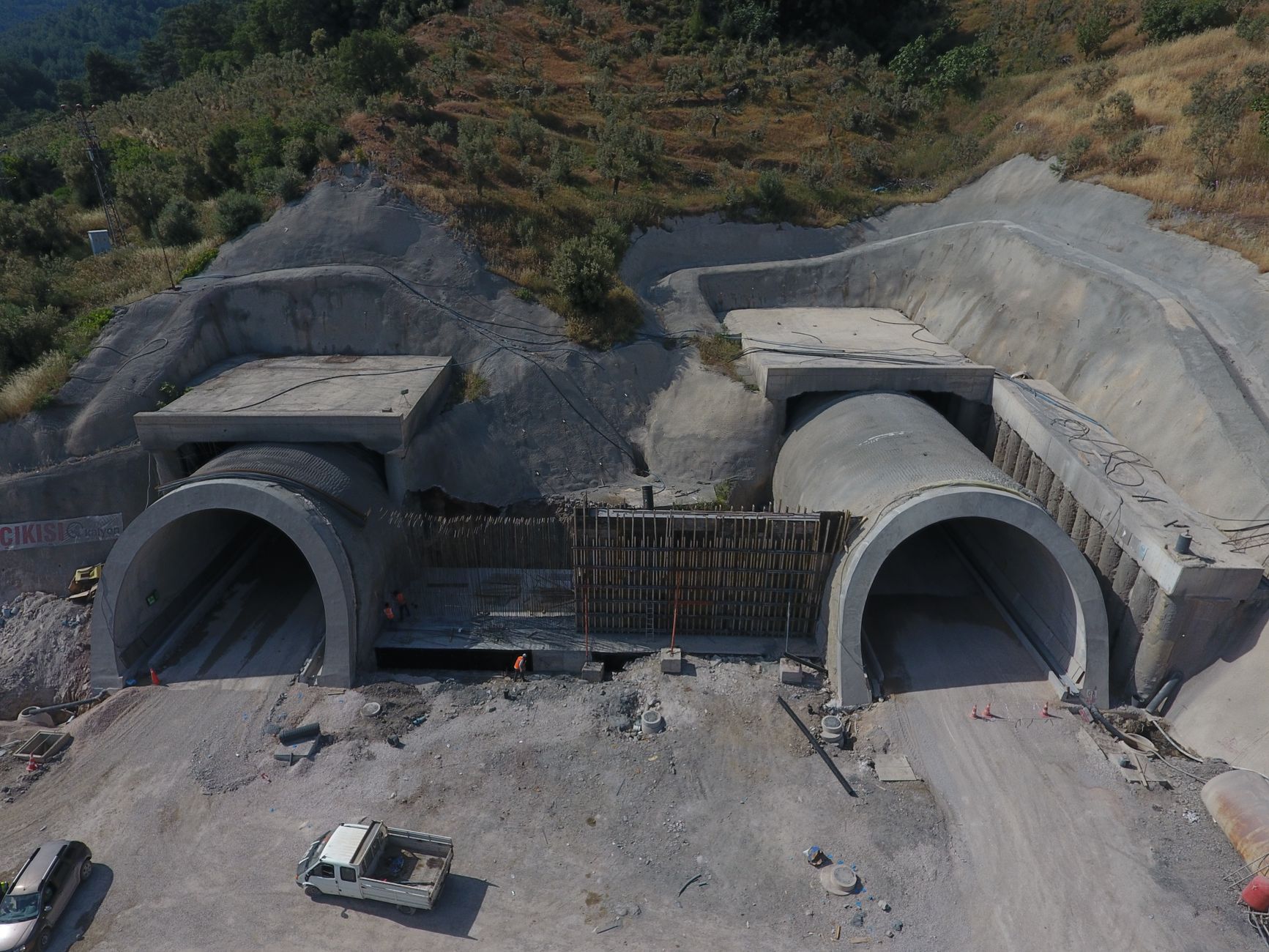
Turkey is solidifying its goal of becoming a central hub in the global logistics map through strategic steps taken recently. The vision for green logistics and sustainable aviation, emphasized by Minister of Transport and Infrastructure Abdulkadir Uraloğlu at the COP31 summit, reinforces Turkey's ambition to be not just a transit route, but a high-tech logistics center. In particular, the Iraq Development Road project stands out as a path of peace and prosperity, offering the shortest and most efficient trade corridor from the Persian Gulf to Europe, effectively balancing geopolitical fragilities in the Middle East.
This grand vision encompasses not only international trade routes but also the industrial and transportation networks within Turkey's interior. A wide range of high-speed rail and highway projects, extending from Kars to Kayseri and Van to Istanbul, serve as critical building blocks for achieving Turkey's 2053 targets. However, this process is also evolving within a dynamic debate, influenced by criticisms from local chambers of commerce and expectations for regional development.
Background of the Development
At the core of Turkey's logistics vision lies the 'Development Road' project, which gained significant momentum by 2026. According to reports from the Strategic Thought Institute, this project is more than just a transport line; it is the centerpiece of Turkey's new regional geopolitics. This corridor, stretching from the Strait of Hormuz to Anatolia, provides an alternative to disruptions in global supply chains while increasing Turkey's influence in the region.
Examining the historical context, Turkey's efforts to integrate surrounding trade networks through initiatives like the Three Seas Initiative and the Zangezur Corridor reached a peak in 2025 and 2026. These projects have prepared a foundation that encourages capital to flow into the interior of Anatolia in a terror-free Turkey. Data from the Istanbul Chamber of Commerce clearly demonstrates that this stability is opening new frontiers for industrial investments.
Regional development initiatives in provinces like Kars and Kayseri are local projections of the 2030 and 2053 visions. Specifically, high-speed rail projects implemented in Kayseri aim to minimize logistics times with the 'Turkey in 48 hours' target. This chronological progression is part of a strategy to modernize Turkey's logistics infrastructure and enhance its global competitiveness.
Expert and Industry Insights
Economy and logistics experts define this vision of Turkey as a 'geopolitical lever.' Industry representatives state that the green logistics transformation will provide a major advantage in Turkey's trade relations with the European Union. Expert opinions are summarized under the following headings:
- Digitalization of logistics networks and AI-supported operational efficiency could reduce costs by up to 20%.
- The completion of the Development Road will create an alternative route to the Suez Canal, shifting the focus of global trade toward Turkey.
- Incorporating the views of local stakeholders (such as Chambers of Commerce and Industry) in regional development projects is vital for the sustainability of the project.
Industry analysts interpret criticisms from institutions like the Van TSO regarding the 2053 vision as a necessity for a democratic participation process and the alignment of local needs with central planning. Such feedback is viewed as an opportunity to make large-scale projects more inclusive.
Officials from the Ministry of Transport state that the data shared at COP31 proves that Turkey will be a pioneer not only in transport corridors but also in green energy and sustainable transport. This makes Turkey a more attractive destination for global investors.
Economic and Social Implications
The economic reflections of Turkey's logistics vision are felt directly through employment growth and regional income equality. With capital shifting to Anatolia in a terror-free Turkey, industrial capacity in provinces like Kars and Van is increasing. This helps reduce population density in major metropolitan areas while revitalizing local economies.
On the other hand, high-speed rail and highway projects translate into reduced transportation costs and time savings for consumers. The 'Turkey in 48 hours' target provides indirect support in the fight against inflation by minimizing the impact of logistics costs on final product prices. These infrastructure investments also act as a lever that directly supports Turkey's export capacity.
From a social perspective, the development of transportation networks increases cultural and commercial interaction between regions. However, as seen in the Van TSO example, harmonizing local development goals with the central vision is a critical balance point for increasing social satisfaction.
Future Projections and Outlook
In the coming period, the physical construction of the Development Road is expected to accelerate, and the Zangezur Corridor is projected to become fully operational. By 2030, strategic points such as the KAI (Kars-Ardahan-Iğdır) region are targeted to become key nodes for trade between Central Asia and Europe. The official calendar envisions these projects integrating with the 2053 vision to make Turkey one of the world's top 10 logistics economies.
While potential risks include global geopolitical tensions and fluctuations in energy costs, Turkey's multi-dimensional foreign policy and green logistics investments have the potential to minimize these risks. Opportunity scenarios include Turkey strengthening its position as a 'safe harbor' in global supply chains, thereby attracting significant foreign direct investment.
💬 Yorumlar 0
Henüz yorum yapılmamış. İlk yorumu siz yazın!





