Winter weather arrives this weekend: Temperatures drop, snow and storms are coming
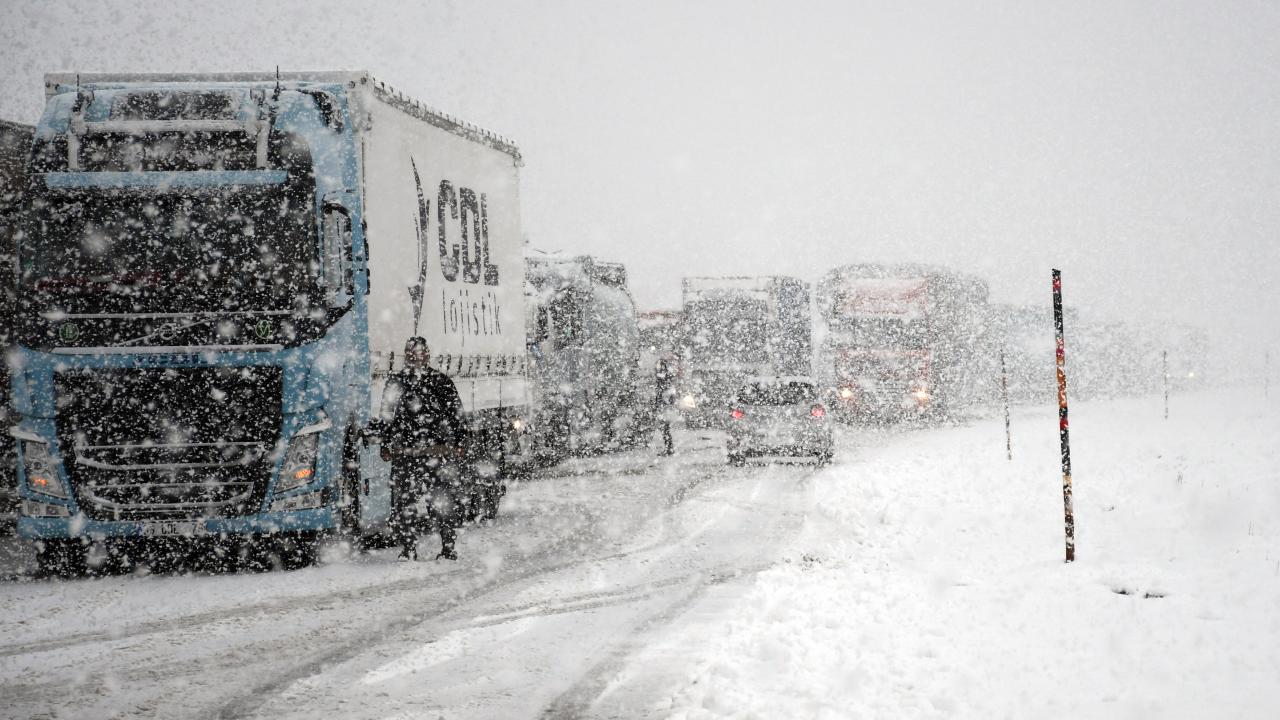
Turkey is preparing to embrace harsh winter conditions starting this weekend, following a period of temperatures well above seasonal norms. According to data from the Turkish State Meteorological Service, a cold air mass affecting a vast area from the west to the east of the country is bringing snow, severe storms, and sudden temperature drops. Authorities are particularly warning about heavy rainfall expected on the Black Sea coast and heavy snowfall in the higher altitudes of Eastern Anatolia, which have the potential to disrupt daily life.
The rainy system, which will begin to show its effect today in the Western and Eastern Black Sea regions and the east of Eastern Anatolia, will intensify tomorrow and spread over a wider area. Authorities are warning that the "strong and very heavy" rainfall expected along the Trabzon, Rize, and Artvin line could lead to flooding. Meanwhile, the fact that precipitation is expected to fall as snow and sleet in the higher parts of Bolu, Karabük, and Kastamonu, as well as across the Eastern Anatolia region, may cause disruptions in transportation.
Background of the Development
Due to Turkey's geographical location, such cold air waves, which are frequently encountered during winter months, are usually triggered by systems coming from the Balkans or the Black Sea. The situation this weekend is characterized by a cold air mass coming from the north, which, upon combining with the humid air of the Black Sea, leads to orographic precipitation along the coastline and turns into snowfall in the interior regions. Historical data shows that such sudden transitions are frequently observed, especially between late November and early December, and exert significant pressure on agricultural activities and transportation infrastructure.
Meteorological records reveal that temperatures dropping below zero in the Eastern Anatolia region trigger frost and icing events. The nighttime temperatures of -3 degrees Celsius expected tomorrow in high-altitude provinces like Erzurum are a clear signal that winter has fully arrived. Institutionally, AFAD and local governments are increasing their preparations for potential disruptions caused by these weather events, while it is critical for citizens to take precautions suitable for winter conditions.
Similar weather events in previous years prove that heavy rainfall, especially on the Black Sea coast, leads to flooding in stream beds, and snowfall in the interior regions leads to road closures. Therefore, the current system is considered not just a weather change, but also a risk management process.
Expert and Industry Insights
Meteorology experts agree that the storm expected this weekend poses serious risks to the maritime and agricultural sectors. In particular, winds reaching speeds of 50 to 70 km/h in the Black Sea are expected to disrupt maritime transport and bring fishing activities to a standstill. Experts highlight the following points:
- Infrastructure preparations must be made against flash floods expected due to heavy rainfall along the coastline.
- Drivers must use winter tires to prevent accidents caused by icing and frost expected during nighttime hours in Eastern Anatolia.
- It is vital for farmers, especially those engaged in greenhouse activities, to take necessary precautions against the risk of frost.
- Citizens must be cautious against risks such as roof collapses, fallen trees, and falling signs in areas where storms are expected.
- It should not be forgotten that the haze and fog expected in the Inner Aegean and Central Anatolia regions could reduce visibility and jeopardize traffic safety.
Industry representatives emphasize that disruptions in the logistics and transportation sectors are inevitable, but risks can be minimized through proper planning. Keeping snow removal teams on standby, especially at the Taurus Mountains and Eastern Anatolia passes, is considered a critical factor for the continuity of commercial flow.
Economic and Social Implications
This sharp drop in air temperatures directly affects energy consumption. With the increase in heating needs, a rise in demand for natural gas and electricity is expected. While this places an additional burden on household budgets, it also causes a rebalancing in energy markets. Socially, citizens facing the first harsh face of winter are experiencing changes in their daily routines.
In major cities, the expected precipitation is likely to increase traffic congestion and make the use of public transport mandatory. In metropolises like Istanbul, Ankara, and Izmir, the drop in temperatures to around 10 degrees Celsius is causing social life to shift to indoor spaces. While snow-fighting teams of local municipalities are on alert against any potential disruption, preparations for winter shifts in public institutions are also gaining momentum.
Future Projections and Outlook
It is estimated that the cold air wave will gradually lose its effect at the beginning of next week, but the trend within seasonal norms will continue. The Turkish State Meteorological Service continues to update its current forecasts hourly and share them with the public. It is of great importance that citizens follow these up-to-date data and take the warnings of official institutions into account, especially when making travel plans.
Regarding risk management, the continuous accumulation of snowfall, especially in Eastern Anatolia, may bring the risk of avalanches. Therefore, it is expected that activities in mountainous regions will be restricted or carried out with caution in the coming days. This first serious rehearsal of winter serves as a preparation for even harsher weather events that may occur in the coming months.
💬 Yorumlar 0
Henüz yorum yapılmamış. İlk yorumu siz yazın!