Construction Cost Index Rises in September: Sectoral Dynamics and Economic Implications
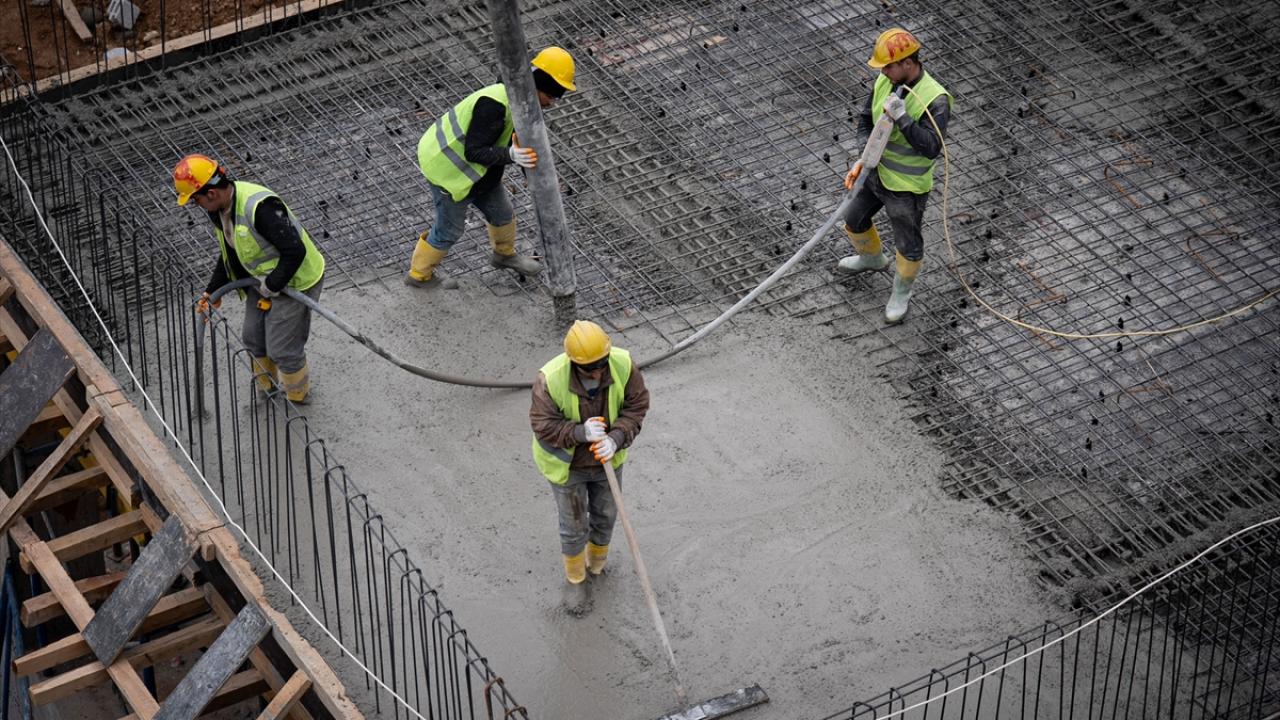
The construction cost index data for September, released by the Turkish Statistical Institute (TÜİK), highlights the persistent cost pressures within the sector. In September, the construction cost index rose by 1.81% compared to the previous month and by 30.8% compared to the same month of the previous year. These figures demonstrate that the construction industry is grappling with both price fluctuations in the supply chain and structural changes in labor costs.
On a monthly basis, the material index increased by 2.94%, while the labor index saw a limited decline of 0.23%. Annually, the material index surged by 31.31%, and the labor index rose by 29.84%, proving the heavy burden of costs on the sector. The 3.61% monthly increase in non-building structures, in particular, underscores the sensitivity of infrastructure project cost items.
Background of the Development
The construction sector is considered one of the locomotives of the Turkish economy, yet it is also one of the areas most rapidly affected by fluctuations in global commodity prices. Supply chain disruptions that began during the pandemic years have been replaced by rising energy costs and logistical challenges. TÜİK data confirms that the upward momentum in the cost index continues as a reflection of this historical process.
The building construction cost index recorded a 1.24% increase in September compared to the previous month. This rise serves as a critical indicator for housing supply and the financial planning of new projects. Specifically, the 2.14% monthly rise in the material index is forcing construction firms to revise their budgets. The 29.59% annual increase in the labor index is evaluated as a result of the demand for skilled personnel and adjustments in wage policies within the sector.
Non-building structures, such as bridges, roads, and dams, were the most affected by cost increases in September. The 35.66% annual rise signals a new era in cost calculations for public tenders and large-scale infrastructure investments. The 38.07% annual increase in the material index for these structures shows that price pressures on basic construction inputs like iron, cement, and energy persist.
Expert and Industry Insights
Economic experts and industry representatives state that the released data reveals the necessity for new financial models for sustainable growth in the construction sector. According to industry stakeholders, the speed of these cost increases continues to exert direct pressure on housing prices.
- It is emphasized that the rise in material prices is in direct correlation with global energy prices.
- The annual increase in labor costs is linked to the migration of skilled labor and wage regulations in the sector.
- The high increase in non-building structures is expected to strain budget discipline in public projects.
- Industry representatives argue that increasing the use of domestic materials could balance costs.
- It is stated that the costs of accessing financing are increasing the burden on the working capital of construction firms.
Experts state that the increase in the material index is directly linked not only to raw material prices but also to logistics and energy costs. In particular, the pressure created by the volatility in exchange rates on materials with a high share of imported inputs remains one of the main factors pushing the cost index upward.
Economic and Social Implications
This rise in construction costs directly affects the supply-demand balance in the housing market. As the costs of new housing projects rise, they reflect on sales prices, making housing less accessible. From a social perspective, cost increases create a spiral that negatively affects both tenants and those who want to become homeowners in terms of meeting housing needs.
In terms of market balance, it is observed that the profit margins of construction firms are narrowing, which slows down the start of new projects. On the side of public investments, rising costs make it necessary to revise budget appropriations. This brings with it concerns that it may lead to delays in the completion times of infrastructure projects.
Future Projections and Outlook
The course of construction costs in the coming period will depend on global energy prices and local economic stability steps. The sector is turning to efficiency-enhancing technologies and alternative supply channels to balance input costs. In official processes, it is expected that cost increases will be balanced by price difference regulations in public tenders.
Risks include potential new disruptions in the global supply chain and sudden spikes in energy costs. However, the resilient structure of the sector and Turkey's need for infrastructure projects indicate that construction activities will continue at a certain pace. The data to be released in the coming months will clarify whether the cost increases will lose momentum.
💬 Yorumlar 0
Henüz yorum yapılmamış. İlk yorumu siz yazın!