Downward Trend in the Gold Market: Critical Levels and Market Analysis of Kilogram Prices
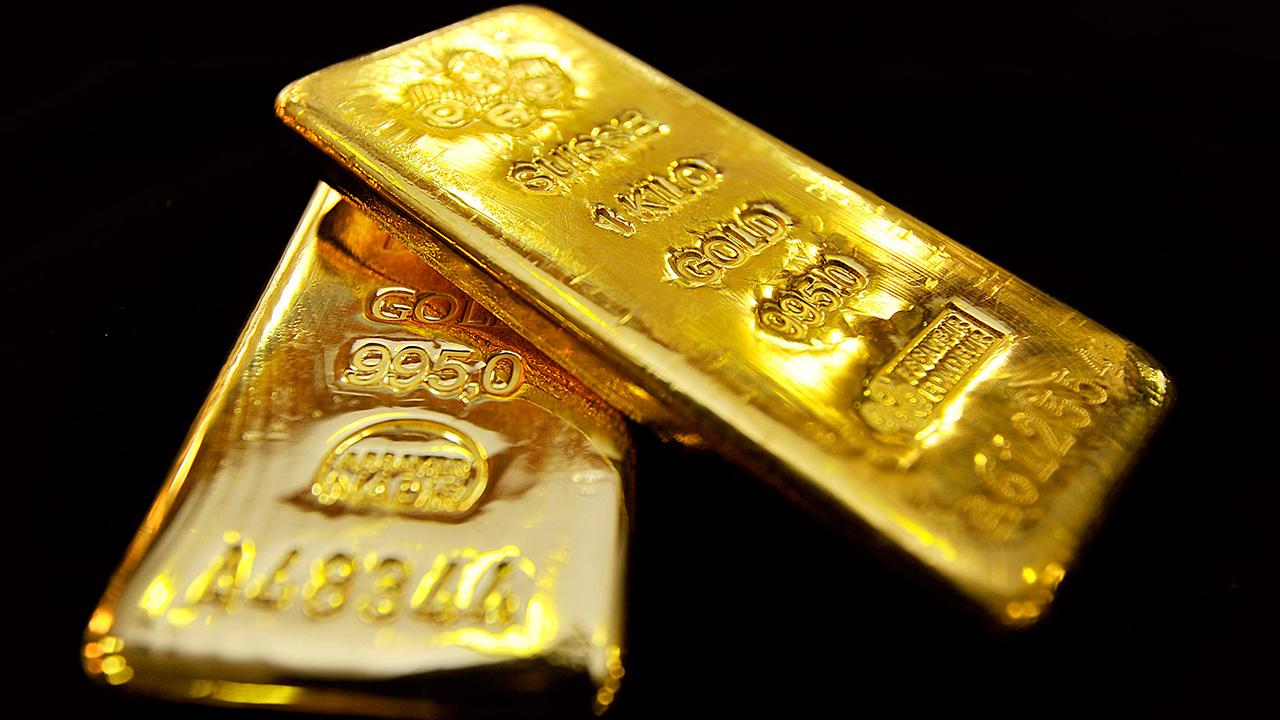
The gold market experienced a volatile session, drawing the attention of investors. In Borsa Istanbul's Precious Metals and Precious Stones Market (KMKTP), the price of standard gold per kilogram fluctuated between a low of 6 million 525 thousand liras and a high of 6 million 565 thousand liras throughout the day. By the end of the session, it closed at 6 million 525 thousand liras, marking a 0.8% decrease compared to the previous close. With prices having stood at 6 million 578 thousand liras the previous day, the data indicates a noticeable selling pressure in the market.
Trading volume data confirms that liquidity and institutional interest remain robust. Within the KMKTP, the total trading volume for gold reached 4 billion 904 million 486 thousand 383.83 liras, with a total transaction amount of 755.21 kilograms. When considering all metals, the total trading volume amounted to 5 billion 84 million 551 thousand 11.06 liras. These figures demonstrate that while gold maintains its status as a safe haven, short-term price corrections are being closely monitored by market participants.
Background of the Development
Historically, the gold market has remained the primary investment vehicle during both global economic uncertainties and local inflationary environments. The KMKTP, operating under Borsa Istanbul, serves as the hub for precious metals trading in Turkey. The prices formed here serve as a reference point not only for investors but also for the jewelry sector and industrial production.
The upward momentum observed in gold prices in recent periods was directly linked to the monetary policies of global central banks and geopolitical tensions. However, the recent pullbacks seen in the markets are generally interpreted as profit-taking or efforts by market players to rebalance their positions. The decline in the kilogram price from 6 million 578 thousand liras to 6 million 525 thousand liras can be viewed as a technical correction.
In this market, where institutional participation is intense, the weight of banks and precious metals companies in trading volume is the most significant factor determining market depth. The fact that institutions such as Yapı ve Kredi Bankası, NMGlobal Kıymetli Madenler, Has Gümüş Değerli Madenler, Turan Kıymetli Madenler, and Ziraat Bankası were the most active participants of the day demonstrates the high level of institutional trust and operational capacity in the market.
Expert and Industry Insights
Market experts characterize this pullback in gold as short-term volatility. Industry representatives state that whether prices will find support at the 6.5 million lira band will become clearer with the macroeconomic data to be released in the coming days. Key expert insights include:
- The 0.8% decline in gold prices is a natural correction following overbought conditions in the market.
- High institutional trading volumes indicate that there is no significant panic selling, but rather balanced trading.
- The dominance of banks in trading volume reinforces gold's role as a collateral and liquidity tool within the financial system.
- The active role of precious metals companies suggests that physical gold demand remains vibrant in the industrial and jewelry sectors.
- Global ounce gold prices and the USD/TRY exchange rate will continue to directly influence price formation on Borsa Istanbul.
Industry representatives emphasize that the continued active presence of large-scale institutions is critical for price stability. Strategic position-taking by institutional players helps to dampen sudden market fluctuations.
Economic and Social Implications
Changes in gold prices directly affect both individual savers and the real sector in Turkey. The process of bringing gold from "under the mattress" savings into the financial system is becoming more transparent and secure through transactions conducted via the KMKTP. While the price decline is viewed as a "buying opportunity" for investors, it also means a temporary easing of costs for jewelry manufacturers.
From a social perspective, the trend of gold prices has a direct impact on wedding seasons and traditional gift-giving culture. Stabilizing prices around the 6.5 million lira level may trigger some buying appetite in the market. However, in periods of continued economic uncertainty, the instinct to protect value through gold makes it difficult for price declines to become permanent.
Market stakeholders argue that such intraday movements increase market depth and prevent speculative activities. The fact that the total trading volume exceeded 5 billion liras is the most important indicator of how vibrant and liquid the market remains.
Future Projections and Outlook
The most significant factors that will influence the gold market in the coming period will be the interest rate decisions of global central banks and inflation data. Investors will acknowledge the 6.5 million lira level as a critical psychological threshold for the price of gold per kilogram, monitoring whether closes below this level will initiate a new trend.
Within the framework of official processes and exchange regulations, the KMKTP is expected to continue operating in accordance with transparency principles. The strategies of institutional players will remain decisive in determining the direction of the market. In particular, the continued interest in gold accounts at banks will ensure that physical gold demand is supported by financial products.
Regarding risk management, it is recommended that investors focus on medium- to long-term macroeconomic trends rather than short-term price fluctuations. Gold will continue to serve as a protective shield against inflation historically. The economic data to be released within the market calendar will be the fundamental dynamics that determine the path gold will follow in the coming weeks.
💬 Yorumlar 0
Henüz yorum yapılmamış. İlk yorumu siz yazın!





