Emine Erdoğan's Global Climate Call at COP31 Leaders' Summit: A Shared Responsibility for Future Generations
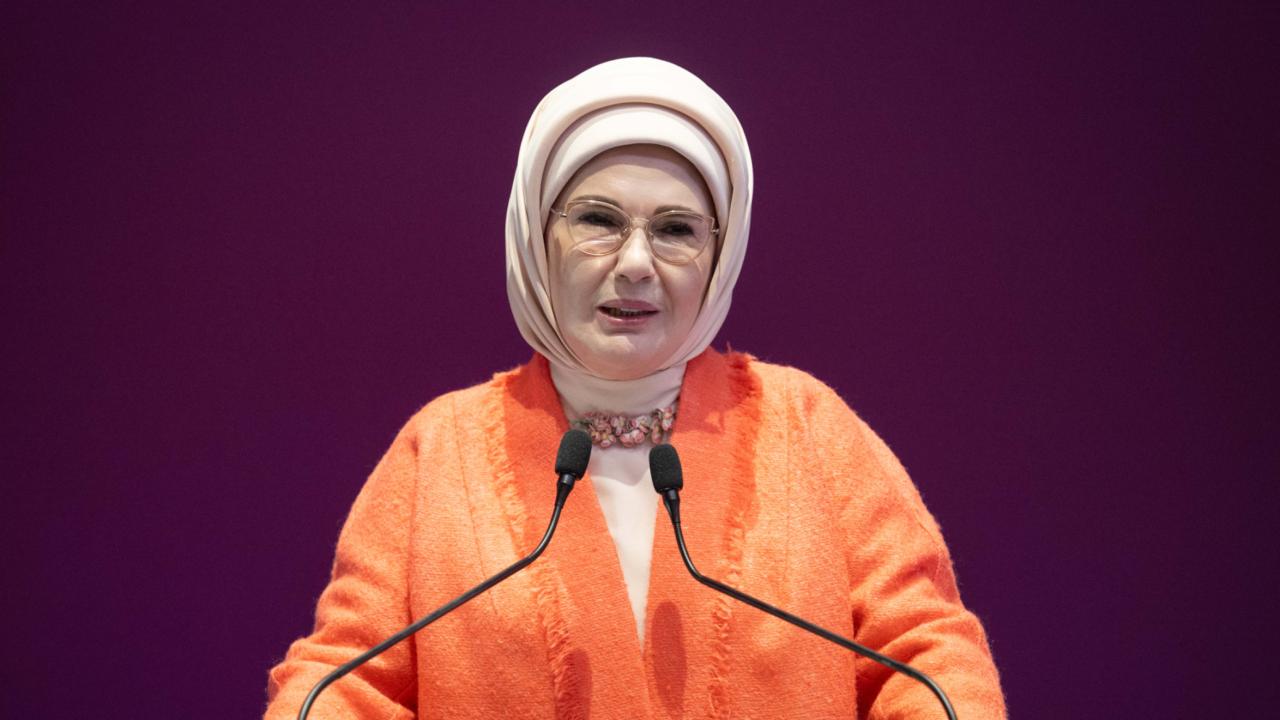
Emine Erdoğan, spouse of President Recep Tayyip Erdoğan, has issued a significant message on the occasion of the opening of the United Nations (UN) Climate Change Conference (COP31) Leaders' Summit. Through a video shared on her social media accounts, she reminded the world that climate change is not merely an environmental issue but a structural crisis threatening the future of humanity, and she called upon world leaders and the international community to take concrete actions. This summit is viewed as a critical test of international cooperation during a period when the effects of global warming are being felt more severely every day.
Emine Erdoğan's initiative is seen as a reflection of Turkey's 'Zero Waste' vision and its determined stance in the fight against climate change. The footage emphasizes that the climate crisis directly affects not only the present but also the rights of future generations to live, reaffirming a commitment to sustainable development goals for a more livable world. The summit serves as a premier platform where financing, technology transfer, and adaptation strategies for combating climate change are discussed at the highest level.
Background of the Development
Since the signing of the UN Framework Convention on Climate Change in Rio de Janeiro in 1992, COP summits have been the most comprehensive diplomatic process aimed at limiting global warming. COP31 is recognized as a critical threshold for achieving the goals of the Paris Agreement. The feasibility of decisions made at previous summits and the commitments of countries regarding their 'Nationally Determined Contributions' (NDCs) form the main agenda items of this summit.
In recent years, Turkey has taken an active role in the fight against climate change with its 'Green Development Revolution' vision. The 2053 net-zero emission target is triggering a radical transformation in Turkey's industrial, energy, and agricultural policies. The Zero Waste project, led by Emine Erdoğan, has become a model appreciated by the UN for spreading this global struggle to the grassroots level and creating social awareness.
The COP31 process aims not only to reduce carbon emissions but also to increase the financial and technical capacities of developing countries most affected by climate change. The balance between historical responsibilities and current needs remains one of the most challenging topics at the summit's negotiation tables.
Expert and Industry Insights
Climate experts and environmental economists agree that COP31 must be a summit of implementation, not just a declaration of intent. Industry representatives state that the transition to green energy is not an economic cost but a long-term investment opportunity. The call for global solidarity emphasized by Emine Erdoğan strengthens the political will necessary for the private sector to invest in climate-friendly technologies.
- The integration of decarbonization strategies into industrial processes has become a necessity.
- Climate finance mechanisms must be accessible, especially for developing countries.
- Increasing renewable energy investments is key to both energy security and climate goals.
- Circular economy models increase efficiency in waste management and provide resource savings.
- Social awareness plays a critical role in changing individual consumption habits.
Experts state that the decisions leaders make at this summit will determine the economic trajectory of the next decade. From an industrial perspective, the necessity of 'green transformation' in all sectors, from automotive to agriculture, has become the primary factor determining competitiveness.
Economic and Social Implications
The fight against climate change has deep economic and social consequences, not just environmental ones. Declining agricultural productivity, shrinking water resources, and economic losses caused by extreme weather events place significant pressure on national budgets. Emine Erdoğan's message points to the importance of social mobilization to reduce these social costs.
From an economic perspective, the green transformation process creates new job fields while necessitating an adaptation process in traditional sectors. Turkey's proactive stance in this process aims to support domestic production while maintaining export capacity by complying with international green standards. At the social level, increasing environmental awareness encourages the adoption of sustainable lifestyles.
Future Projections and Outlook
Following COP31, countries are expected to support their commitments with legislative regulations. In line with Turkey's 2053 vision, the steps to be taken regarding energy efficiency and emission reduction will increase Turkey's influence in the international arena. The results of the summit are expected to reflect a fairer distribution within the framework of global climate justice.
In the coming period, technology transfer and joint research projects will deepen cooperation between countries in the fight against climate change. Emine Erdoğan's remarkable message to the summit reinforces Turkey's determined stance in climate diplomacy while renewing hopes for a sustainable future in the global public opinion. The process will progress with the shared responsibility of not only states but all stakeholders.
💬 Yorumlar 0
Henüz yorum yapılmamış. İlk yorumu siz yazın!





