Gastronomy Diplomacy at COP31: Turkey to Showcase Millennia of Culinary Heritage as a Climate Solution
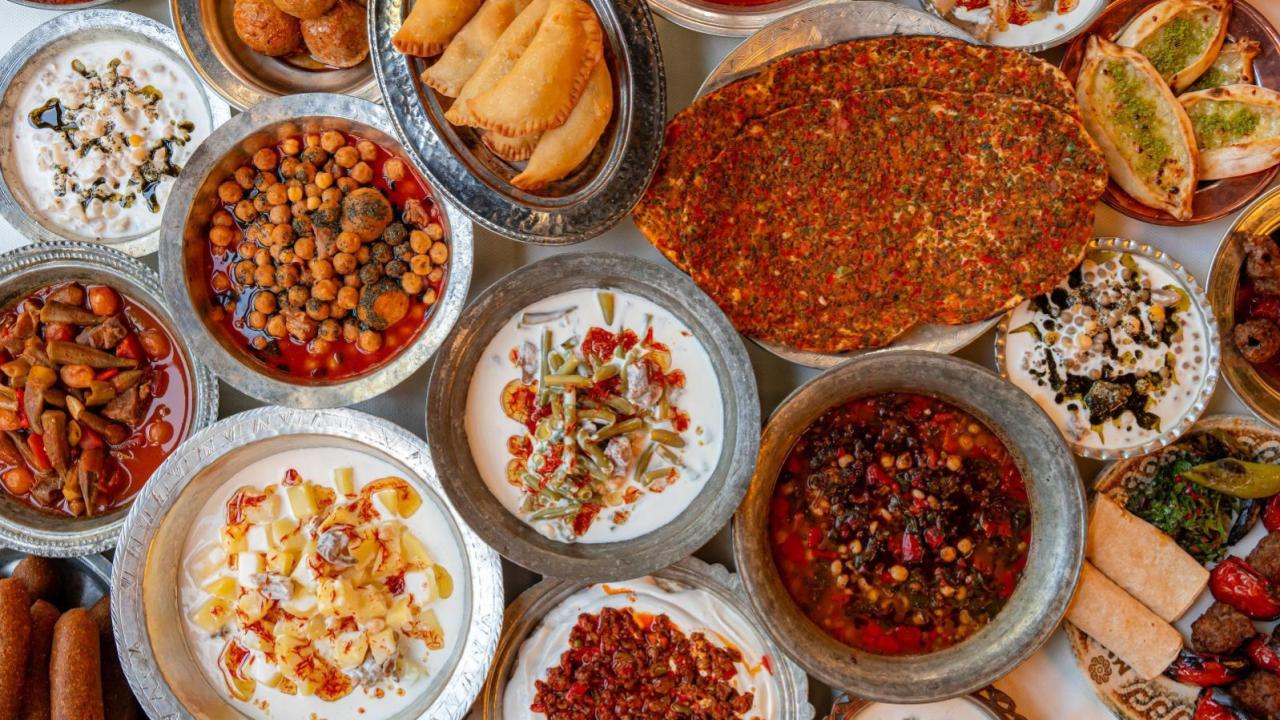
The United Nations Climate Change Conference (COP31), the world's most prestigious and comprehensive environmental organization, is preparing to host not only technical negotiations and financing packages this year but also Turkey's deep-rooted culinary culture spanning thousands of years. According to an official statement from the Ministry of Environment, Urbanization and Climate Change, Turkey's rich gastronomic heritage will be positioned as a strategic promotional element at this giant summit, which will be attended by heads of state and government from more than 190 countries. The preparations, meticulously carried out under the Ministry's coordination, aim to merge Anatolia's traditional flavors with the modern world's quest for sustainability. The 'Green Zone,' to be established on a vast 582,000-square-meter area, will melt Turkey's determination in the fight against climate change and its cultural depth in the same pot.
The special gastronomy areas to be established within the scope of the summit will function as more than just food service points; they will serve as a showcase where Turkey exhibits its 'Zero Waste' principles and local production models to the world. A wide range of flavors, from Mediterranean olive oil dishes to endemic products of the Black Sea, from the ancient recipes of the Turkic world to the registered delicacies of Gaziantep, Kayseri, and Konya, will be presented to the appreciation of international delegations. This initiative aims to reinforce Turkey's vision of being not just a participant in climate diplomacy but also a leading country that preserves its cultural and ecological heritage. The kitchen areas, designed with traditional architecture, will provide visitors with the opportunity to personally experience Anatolia's hospitality and nature-compatible lifestyle.
Background of the Development
Turkey's comprehensive gastronomy move in the COP31 process is directly linked to the 'Zero Waste' movement and sustainable development goals that have gained momentum in recent years. The Ministry of Environment, Urbanization and Climate Change launched this project based on the fact that the climate crisis can be solved not only through industrial and energy policies but also through consumption habits and food systems. The 'no-waste' culture, which has formed the basis of Anatolian cuisine from past to present, is a historical prototype of the sustainable gastronomy approach sought on a global scale today. The Ministry plans to transform the COP31 platform into an international awareness area by making this historical accumulation a part of modern climate policies.
In the institutional background, the inclusion of local governments in this process stands out as a strategic choice. The cooperation of metropolitan cities that have become brands in the field of gastronomy, such as Gaziantep, Konya, Kayseri, and Trabzon, as well as the Antalya Governorate and Çankırı Municipality, represents the power of the project spreading from the local to the general. This cooperation model is of critical importance in terms of showing how compatible Turkey's local government capacity is with climate goals. Each municipality and governorate will convey its region-specific sustainable agricultural practices and waste management strategies to the international public through these kitchens.
Looking at the historical context, Anatolian cuisine has always been built on seasonality and locality. The kitchens to be exhibited at COP31 will blend this ancient knowledge with modern technology and zero-waste kitchen techniques. The traditional house-looking kitchen structures to be located within the 582,000-square-meter Green Zone are designed to reflect Turkey's architectural heritage as well as an aesthetic presentation. These structures will be built with climate-friendly materials, creating a physical environment suitable for the spirit of the summit.
Expert and Industry Insights
Gastronomy experts and climate scientists evaluate this move by Turkey as one of the most successful examples of the use of 'soft power.' Industry representatives, reminding that food waste is responsible for a significant portion of global carbon emissions, state that the promotion of Turkey's 'Zero Waste Kitchen' model at a platform like COP31 could serve as a guide for the world. According to experts, protecting local seeds and supporting short supply chains are the keys to establishing food systems resilient to climate change.
- Gaziantep Cuisine: As a UNESCO-registered gastronomy city, it will play a leading role in the conservation of biodiversity and the sustainability of traditional recipes.
- Zero Waste Kitchen: It will offer a global model with the principle of converting kitchen waste into compost and using every material with maximum efficiency.
- Konya and Kayseri: Resilient products from Central Anatolia's agricultural areas struggling with drought and the culinary discipline reaching from the Seljuks to the present will be introduced.
- Black Sea and Mediterranean: The protection of marine ecosystems and the positive effects of plant-based nutrition on the climate will be emphasized through the presentations of these regions.
- Local Government Cooperation: The operational power of municipalities will constitute concrete examples of how climate policies can be implemented in the field.
Industry analyses predict that such organizations could increase interest in Turkey's gastronomy tourism by 25-30% in the medium term. The meeting of high-level delegates and the world media with these flavors will ensure that Turkish cuisine is perceived not only as a taste but also as a 'philosophy' and a 'sustainability school.' In technical evaluations, the use of recyclable materials and energy-efficient cooking techniques in the installation of the kitchens is highlighted.
Economic and Social Implications
The economic reflections of this extensive promotional activity at COP31 will not be limited to tourism revenues. The international showcase of the products of local producers and cooperatives will also directly affect Turkey's agricultural export potential. In particular, the display of geographically indicated products on this platform will increase the added value of these products in global markets. Economists emphasize that such cultural diplomacy activities contribute positively to Turkey's image regarding foreign direct investments and commercial collaborations.
From a social perspective, the impact of the project on local communities is significant. The active role of different provinces from Gaziantep to Trabzon in this process increases the awareness of the local people about climate change and reinforces the consciousness of protecting cultural heritage. Presenting traditional culinary culture as a 'climate solution' also transforms the perspective of younger generations towards their own culture. This situation stands out as an element that triggers social solidarity and local development motivation.
Furthermore, the tasting events and workshops to be held during the summit will build a bridge between different cultures. The meeting of participants from 190 countries with Anatolian hospitality will also support Turkey's 'humanitarian diplomacy' power in the international arena. In terms of social balances, the fact that local governments work in full harmony with the central government in such a large organization will also certify the success of public administration capacity.
Future Projections and Outlook
After COP31, Turkey is expected to become a global training and application center in the field of sustainable gastronomy. This vision of the Ministry of Environment, Urbanization and Climate Change is in full compliance with the 2053 Net Zero Emission target. It is envisaged that studies will be initiated to make the 'Zero Waste Kitchen' model exhibited at the summit a standard for international hotel chains and restaurants in the future.
Within the official process, the feedback and connections established at COP31 will be integrated into Turkey's national climate strategy. Future projections show that Turkey will rise to a position of a country that not only hosts or participates but also exports climate-friendly lifestyles. In particular, this international experience gained by local governments will accelerate the sustainable transformation processes of cities.
In the balance of risks and opportunities, considering the threats of the climate crisis on food security, this traditional and resilient kitchen model offered by Turkey may enter the literature as an alternative to the global food crisis. In the upcoming calendar, transforming these promotional activities into permanent institutes or digital platforms will ensure that the legacy of COP31 lives on for many years. With this move, Turkey will continue to give the message to the world that 'the roots of sustainability are in Anatolia' by deepening the climate agenda with cultural richness.
💬 Yorumlar 0
Henüz yorum yapılmamış. İlk yorumu siz yazın!





