Historic Records in Turkish Ports: Maintaining High Cargo Throughput
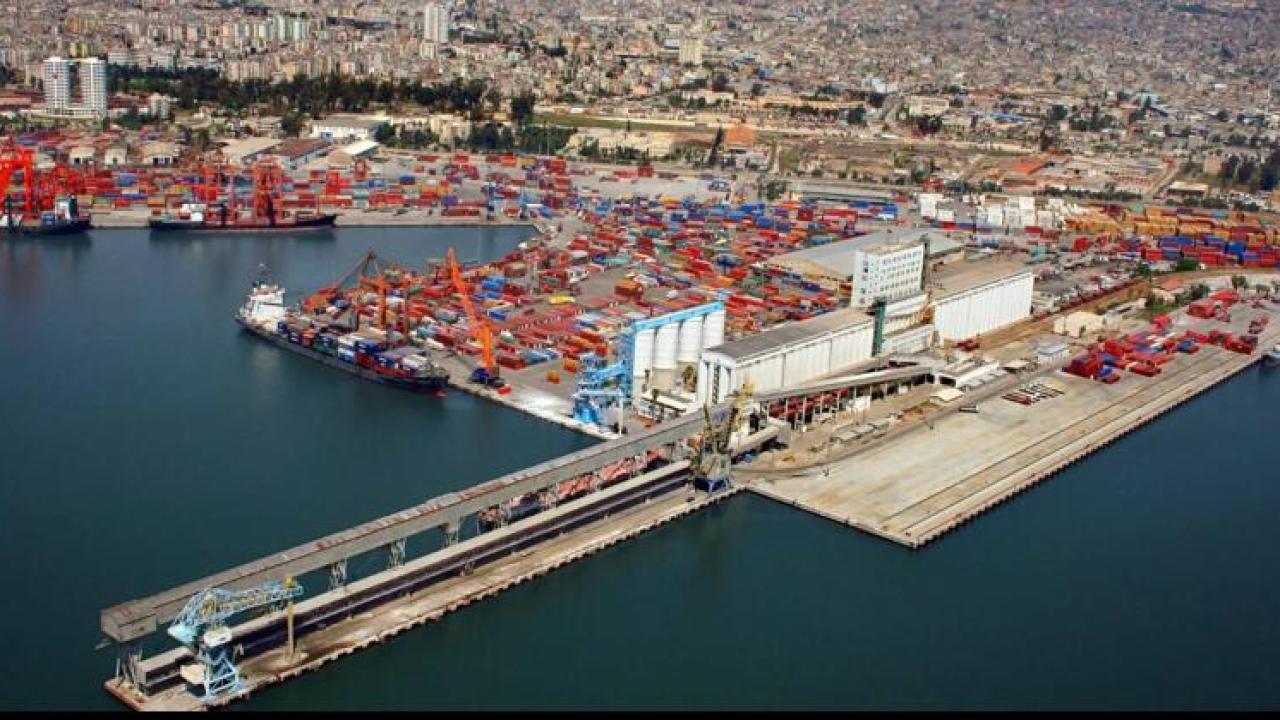
Turkey's maritime and logistics sector is reaching a historic milestone, as evidenced by data released in the 2027 Presidential Annual Program. As of 2025, the volume of 14 million TEU of containers and 553.3 million tons of cargo handled in Turkish ports has been recorded as the highest level in the history of the Republic. This achievement strengthens Turkey's vision of becoming a regional logistics hub, with projections indicating that these figures will reach 14.1 million TEU and 565 million tons by the end of the year.
This growth momentum highlights the resilience of Turkey's port infrastructure and the advantages provided by its strategic location, despite the challenging conditions of global trade. Notably, the 36 percent share of export-oriented cargo in the total volume proves that Turkey's production and foreign trade capacity is directly reflected in maritime transport.
Background of the Development
Turkey's port management journey has undergone a major transformation since 2002. Between 2002 and 2012, the container handling volume achieved an average annual growth rate of 13.9 percent, marking one of the golden ages for the sector. However, as the 2013-2025 period arrived, this growth rate slowed to an average of 4.8 percent annually due to the slowdown in global trade and the approach to saturation in container shipping.
During this period, the geographical distribution of ports showed a remarkable concentration. A massive 84 percent of the 14 million TEU volume handled last year was carried out in facilities under the port authorities of Ambarlı, Kocaeli, Tekirdağ, Mersin, and Aliağa. This situation reveals that Turkey's maritime trade is clustered in specific strategic centers, which form the main backbone of the logistics network.
Developments in the cabotage line constitute another success story. In the cabotage line, where 69.7 million tons of cargo were transported last year, it is expected to reach 74.8 million tons by the end of this year. This increase shows that Turkey's domestic maritime trade is strengthening in parallel with international trade and that integration between ports is gaining efficiency.
Expert and Industry Insights
Industry representatives and logistics experts point to both the opportunities brought by capacity increases and the structural problems while evaluating the current data. According to experts, holistic planning is essential to increase efficiency in Turkey's port infrastructure.
- Consolidating small-scale and fragmented port structures will reduce logistics costs.
- The loss of profitability caused by excessive competition limits the technological investments of port operators.
- Integrating digitalization and automation processes into ports will increase operational speed.
- Transitioning to the green port concept is critical for compliance with the European Union's carbon border adjustments.
- Connecting intermodal transport networks more efficiently with ports will strengthen hinterland access.
Experts emphasize that ports should become value-added logistics centers rather than just cargo transfer points. In particular, the modernization of inefficient infrastructure will directly affect Turkey's competitiveness in the global supply chain.
Economic and Social Implications
These record levels in ports create a direct multiplier effect on the balance of Turkey's foreign trade. The increase in the volume of export cargo shows that logistics barriers in the access of industrial production to foreign markets have been overcome. However, the cost pressure created by the fragmented port structure can negatively affect the price competitiveness of the final product.
From a social perspective, the increase in employment in port regions and the development of ancillary sectors create a significant driving force for local economies. In port cities such as Mersin and Kocaeli, the demand for logistics-oriented labor plays a decisive role in regional development. On the other hand, the environmental impact of ports and their urban integration stand out as an issue that needs to be managed more carefully in line with sustainable development goals.
Future Projections and Outlook
In the coming period, Turkey's port policy will be reshaped with a "holistic perspective." As indicated by the 2027 Annual Program, the goal is for port investments to be efficiency-oriented and to protect operating profitability by preventing excessive competition. This process will ensure that ports are managed more professionally and in accordance with economies of scale.
Although risks include global economic stagnation and fluctuations in freight rates, Turkey's geographical location and the increase in port capacity act as a shield against these risks. In the coming years, the digital transformation of ports and their adaptation to green energy will be the fundamental elements determining Turkey's competitiveness in the maritime sector.
In conclusion, the target of 565 million tons of cargo handling represents a new threshold in Turkey's maritime trade. Reaching these targets is accepted not only as a numerical success but also as an indicator of Turkey's determination to bring its logistics infrastructure to world standards.
💬 Yorumlar 0
Henüz yorum yapılmamış. İlk yorumu siz yazın!





