Inspection Mobilization for Consumer Safety in Turkey: 5,100 Batches of Products to be Inspected in 2025
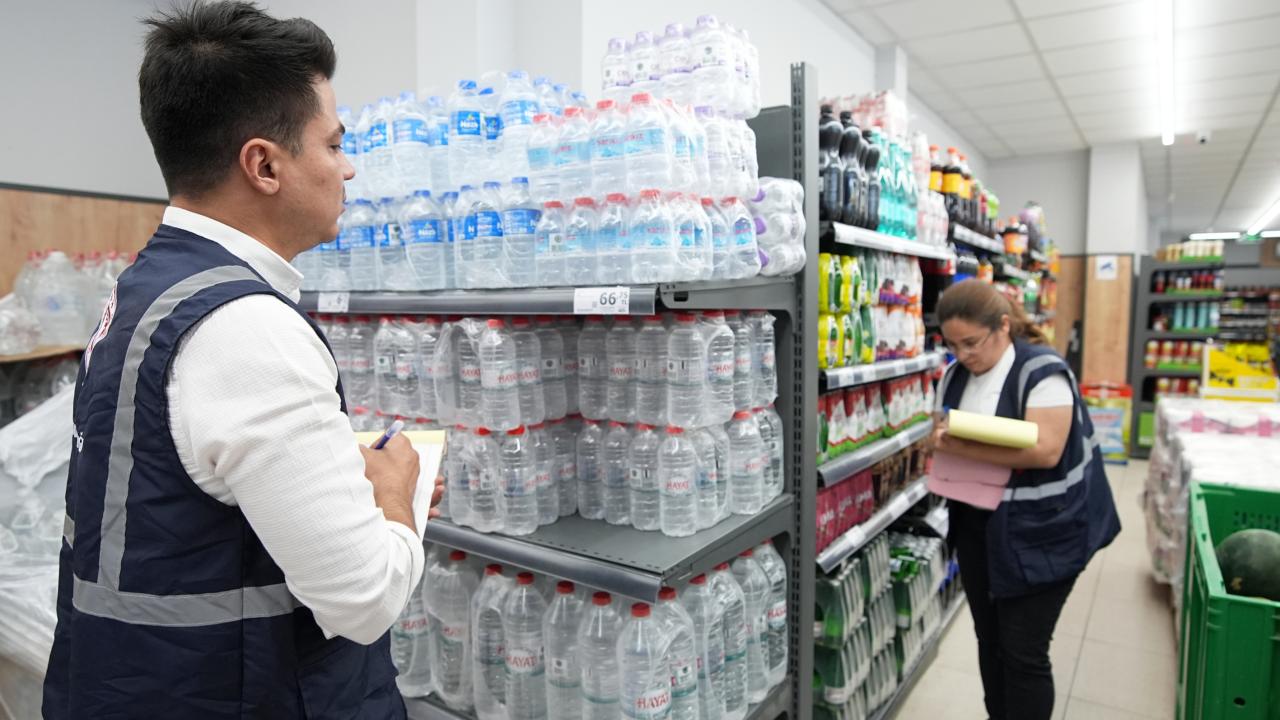
Turkey is elevating its market surveillance and inspection (PGD) activities to a strategic level to ensure consumer access to safe products and minimize market risks. This comprehensive inspection mechanism, conducted by the Ministry of Trade, scrutinizes the compliance of products with international standards regarding their physical, mechanical, and chemical properties. Within the framework of national regulations harmonized with European Union (EU) legislation, a strict inspection network has been established over manufacturers and importers. While the target is to inspect 5,000 batches of products by the end of this year, this figure is projected to rise to 5,100 next year and reach 5,250 by 2028.
Inspection processes include not only punitive measures but also a preventive and advisory approach. Products identified as unsafe are transparently shared with the public through the Unsafe Product Information System (GÜBİS). The Ministry aims to prevent faulty products from entering the market by providing guidance to firms on technical compliance through "safe product consultancy offices" established in customs and foreign trade regional directorates.
Background of the Development
Turkey's product safety policies have evolved in parallel with the complex structure of global trade and the need to protect consumers. Market surveillance mechanisms, which were previously more reactive, have now transformed into a proactive and risk-based model. Harmonization processes with the European Union have enabled Turkey to modernize its technical regulatory infrastructure. Standards set in critical areas such as chemical content, labeling, and mechanical durability have both increased the competitiveness of domestic producers in global markets and mandated that imported products meet a certain quality threshold.
Historically, market surveillance has become not just a control mechanism but a component of commercial diplomacy. In meetings of the WTO Committee on Technical Barriers to Trade, Turkey defends its own product standards while closely monitoring technical barriers applied by other countries. This situation demonstrates the strategic importance of technical regulatory compliance in protecting Turkey's export capacity.
The steps taken by the Ministry in recent years have focused on increasing the competence of inspection personnel and accelerating digitalization processes. The effective use of systems like GÜBİS ensures the rapid withdrawal of unsafe products from the market, while raising consumer awareness has become an integral part of this process. Training programs designed to facilitate the compliance of manufacturers and importers with technical regulations have ensured that inspections are viewed not merely as a "penalty" but as a "standard-raising" tool.
Expert and Industry Insights
Industry representatives and economic experts point out that the increase in the number of inspections will prevent "unfair competition" in the market. It is a known fact that placing unsafe and non-standard products on the market at low costs puts high-quality producers in a difficult position. Experts emphasize that increasing inspections will both protect consumer health and serve as an important step in the fight against the informal economy.
Key expert evaluations are as follows:
- Focusing inspections on manufacturers and importers ensures that faulty products are blocked at the source.
- Harmonization with EU legislation increases the acceptability of Turkish products in the European market.
- Safe product consultancy offices reduce the technical compliance costs for SMEs.
- Digital tracking systems increase the speed of withdrawing unsafe products from the market.
- Commercial diplomacy activities play a critical role in overcoming technical barriers encountered in exports.
Technical experts state that intensifying chemical content inspections, especially in areas that directly contact human health such as children's toys and textiles, is of vital importance for social welfare. Deepening these inspections not only quantitatively but also qualitatively will reinforce Turkey's image as a "safe production hub."
Economic and Social Implications
The economic implications of market surveillance activities are quite broad. Clearing unsafe products from the market reduces consumer healthcare expenditures while simultaneously raising quality standards in the market by increasing the demand for safe products. In the long run, this strengthens Turkey's perception of "quality production," which positively reflects on export revenues.
From a social perspective, the protection of consumers is recognized as a fundamental human right. The Ministry's guidance efforts raise consumer awareness while encouraging firms to act with a sense of "corporate social responsibility." The increase in inspections establishes an environment of trust in the market, renewing consumer confidence in both domestic and imported products.
On the other hand, for exporting firms, compliance with the technical standards of destination countries is the key to global competition. The Ministry's support in this area facilitates firms' entry into foreign markets, contributing to the sustainable growth of Turkey's foreign trade volume. Overcoming technical barriers is not just a bureaucratic process but also a market access strategy.
Future Projections and Outlook
In the coming period, the digitalization of inspection processes and the implementation of AI-supported risk analysis methods are expected. The target of 5,250 batches of product inspections by 2028 demonstrates Turkey's determination regarding product safety. During this process, continuous training of inspection personnel and efforts to comply with current EU legislation will continue uninterrupted.
Expectations are for inspections to be embraced not as a sanction tool, but as a "quality management system." It is expected that economic operators will be more proactive regarding technical compliance and make greater use of the consultancy services offered by the Ministry. In this way, the aim is to maximize the safety of products offered to the market.
In conclusion, Turkey's product safety strategy is shaped around the axis of protecting the consumer and increasing the competitiveness of the producer. The steps to be taken in the coming years will be an indicator of a determined progression toward making Turkey a "safe trade hub" by international standards.
💬 Yorumlar 0
Henüz yorum yapılmamış. İlk yorumu siz yazın!