Mandatory Winter Tire Application Begins in Turkey: Critical Warnings and New Pricing for Drivers
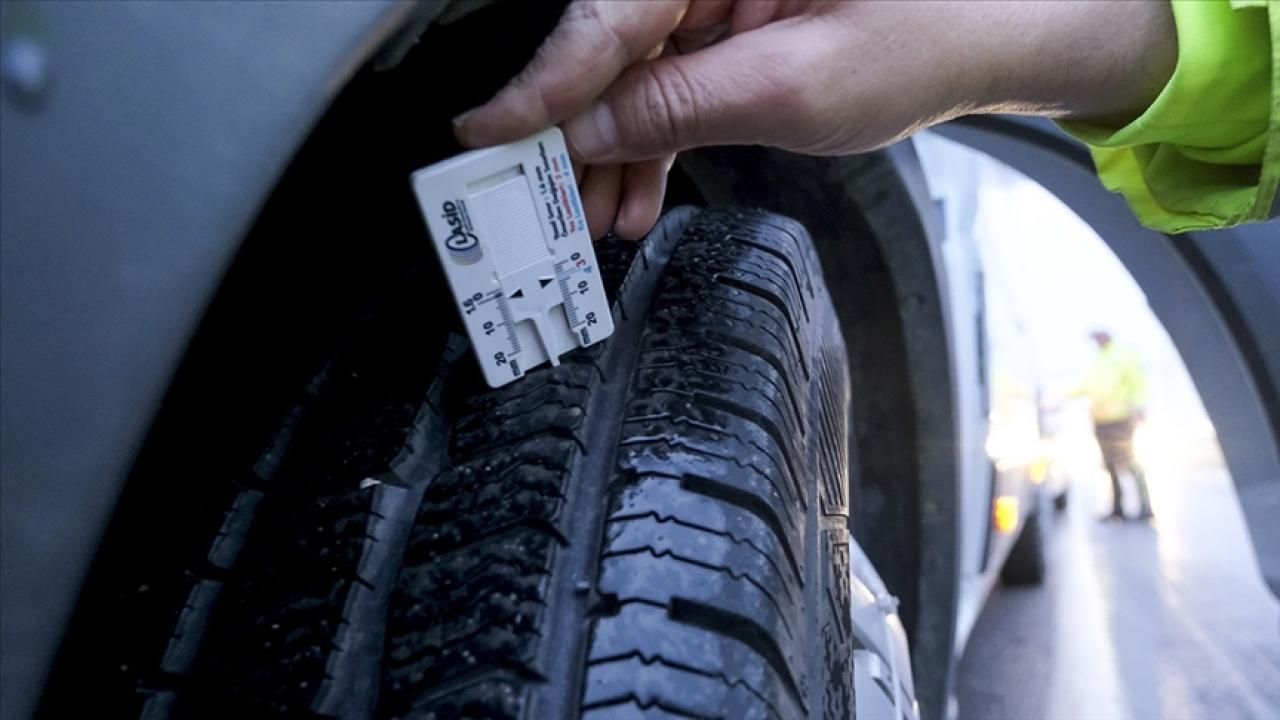
Across Turkey, as harsh winter conditions take hold, the mandatory winter tire period, implemented to ensure traffic safety, officially begins this Sunday. The Ministry of Interior is preparing to send a circular to all 81 provincial governorships to minimize traffic accidents during winter months and ensure the uninterrupted flow of traffic on highways. This application is of vital importance not only for commercial vehicles but also for general traffic safety standards. In regions where air temperatures drop below 7 degrees Celsius, the physical structure of summer tires hardens, causing them to lose their grip, which makes the use of winter tires not just a choice, but a mandatory safety measure.
The costs faced by drivers during the winter tire change process have also been updated this year. The current tariffs for tire removal and installation are as follows: 1500 liras for 13, 14, and 15-inch rims; 1750 liras for 16 and 17-inch rims; 2000 liras for 18-inch rims; 2250 liras for 19-inch rims; 2500 liras for 20-inch rims; and 3000 liras for 21-inch rims. Additionally, for the 'tire hotel' service, which ensures that tires are stored safely throughout the season, a fee equivalent to the cost of changing four tires is charged.
Background of the Development
The winter tire application has been a traffic safety policy implemented for many years, considering Turkey's geographical structure and climatic diversity. Severe winter conditions experienced in past years and the traffic congestion caused by these conditions have pushed the Ministry of Interior to develop stricter inspection mechanisms. This regulation, which is vital especially for vehicles engaged in intercity freight and passenger transport, has gradually become a process of awareness for individual drivers as well.
Historically, the development of winter tire technology is based on the ability of special chemicals in the rubber compound to remain flexible in the cold. While summer tires are designed to perform optimally in hot weather, winter tires have special tread depths and patterns that increase traction on snowy and icy surfaces. This technological difference plays a decisive role in shortening braking distances and preventing lateral skidding of the vehicle.
The legal framework of the application is shaped within the scope of the Highway Traffic Law and is updated with circulars published before each winter season. This year's preparations aim to conduct inspections more effectively, taking into account the increasing number of vehicles and sudden weather changes brought about by climate change.
Expert and Industry Insights
Automotive industry experts and tire manufacturers emphasize that changing winter tires is not just a legal obligation, but a 'life insurance' policy. Experts list the points to consider when choosing tires as follows:
- The production date of the tire is a critical indicator of rubber life; the performance of tires older than 5 years drops significantly.
- Storage conditions must be in cool, dry environments away from sunlight to protect the chemical structure of the tire.
- Tread depth should be kept above legal limits to ensure that drainage channels work efficiently in winter conditions.
- Changing only the front or rear tires can disrupt the vehicle's balance and lead to skidding; it is mandatory to have winter tires on all four wheels.
- Air pressure tends to drop in cold weather; therefore, it should be checked regularly.
Industry representatives warn that drivers seeking 'cheap' or 'second-hand' tires may face more costly and dangerous consequences in the long run. It has been proven many times through technical tests that low-quality tires increase braking distance and make steering control difficult.
Economic and Social Implications
The winter tire application creates significant economic activity in the automotive sub-industry and service sector. The density in tire change centers supports employment and cash flow in the service sector. However, it is a fact that drivers are struggling to manage their budgets against rising costs. Especially the tire hotel service has become an indispensable solution for urban drivers with limited living spaces.
From a social perspective, this application also relieves the burden on the health system by reducing traffic accidents. Preventing accidents means not only reducing material damage but also reducing injuries and fatalities. The level of awareness regarding this obligation in the public is increasing every year, and drivers now see winter tires not as an 'extra expense' but as a necessary investment for safe driving.
Future Projections and Outlook
In the coming period, it is expected that winter tire inspections will be digitized and integrated with license plate recognition systems. In this way, detecting vehicles that do not have winter tires in traffic will become much faster. Furthermore, with the widespread use of smart sensor technologies that track the life of tires, it is predicted that drivers will be able to manage their tire change times more professionally.
The official process will be actively implemented in the field with inspections starting on Sunday. Governorates will implement administrative fines for vehicles that do not have winter tires through law enforcement agencies. It is of great importance for drivers to be prepared for this process, both for their own safety and for the continuity of traffic flow.
In conclusion, the winter tire application is an integral part of Turkey's traffic safety vision. Drivers' compliance with these rules, not just out of fear of fines but with a sense of social responsibility, will ensure that winter months pass more safely.
💬 Yorumlar 0
Henüz yorum yapılmamış. İlk yorumu siz yazın!