A Historic Step in Fund Liquidation: Vice President Yılmaz Announces Payments to Begin November 13
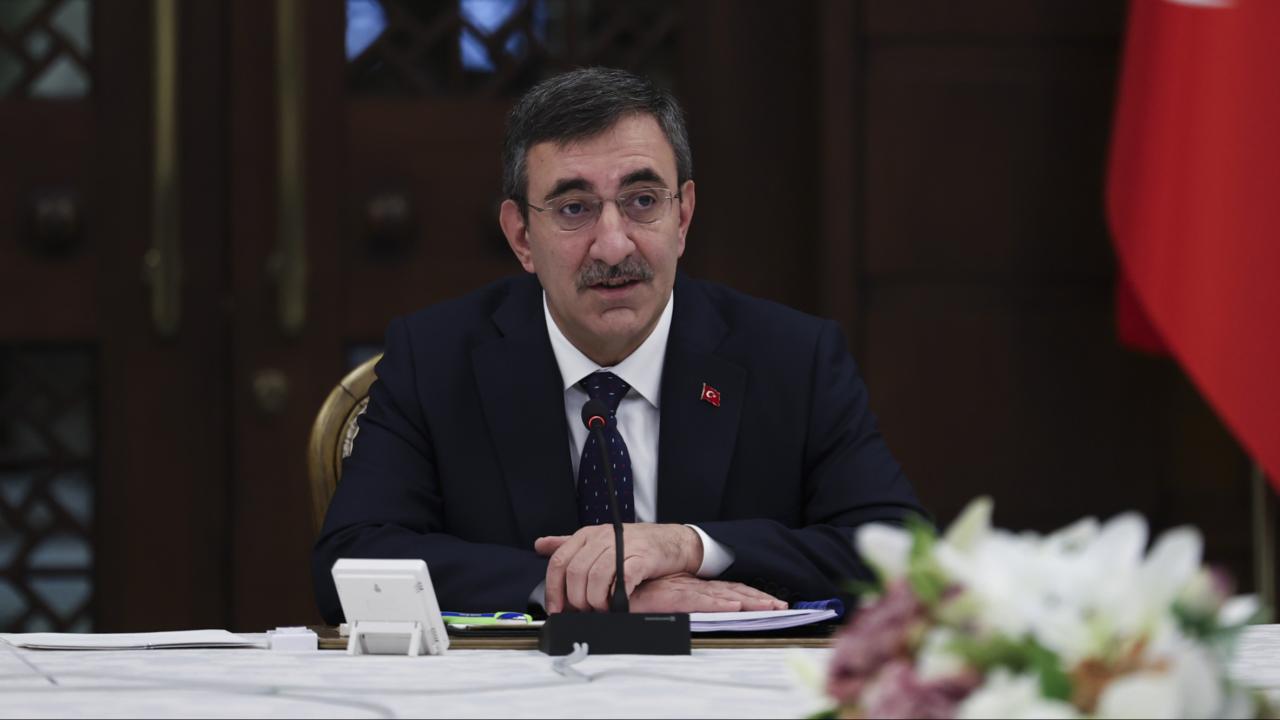
Turkey's economic management is preparing to take a historic step in liquidation processes that have persisted for years and directly impact the confidence index of financial markets. Vice President Cevdet Yılmaz has announced the strategic roadmap for the highly anticipated fund liquidation process, declaring November 13 as the date when payments will begin. In his statement, Yılmaz noted, "We are preparing to make a significant amount of payments on November 13. We are processing payments starting from the smallest investor to the largest," highlighting both the operational and social justice dimensions of the process. This move is recorded as the most concrete step taken to resolve the deadlock in long-pending liquidation files.
This payment plan is not merely a financial transaction but also serves as a confidence-restoring operation that demonstrates the effectiveness of the state's oversight and regulatory functions. The hierarchy emphasized by Cevdet Yılmaz, "from the smallest to the largest," is a reflection of public policy aimed primarily at addressing the grievances of small-scale investors. The large-scale payment wave, set to begin on November 13, is expected to contribute directly to liquidity flow in the markets and the economic well-being of the beneficiaries.
Background of the Development
In Turkey's financial history, liquidation processes have generally emerged as a result of economic fluctuations or institutional restructuring. The liquidation of funds is a multi-layered structure involving complex legal processes, asset sales, and creditor rankings. Similar processes in the past have necessitated state intervention to protect property rights and maintain financial stability. This latest process, pointed out by Vice President Cevdet Yılmaz, is the result of months of meticulous preparation.
Conducted under the coordination of the Ministry of Treasury and Finance and relevant regulatory bodies, these efforts encompass the conversion of fund assets into cash and the listing of beneficiaries. The fact that the liquidation process has reached this stage is a result of audits conducted by institutions within the framework of transparency and accountability principles. Mechanisms established to address financial disruptions from past periods have now reached a capacity to make payments to beneficiaries.
In the institutional background, asset management processes for the liquidated structures have been managed with great care. The asset liquidation operations, ranging from real estate sales to securities valuation, form the source of the "significant amount" of payments to be made on November 13. During this process, technological infrastructure has been utilized to the maximum extent to minimize legal disputes and ensure the accuracy of payment lists.
Expert and Industry Insights
Financial sector representatives and economic analysts view Cevdet Yılmaz's statement very positively in terms of market discipline. Experts state that starting payments with the "smallest investor" is a social balancing element that will reinforce the trust of the masses in the system. According to industry representatives, the successful conclusion of such liquidation processes will also elevate Turkey's investment environment perception at the international level.
In light of technical evaluations, the highlights of the process are as follows:
- Prioritizing small investors is a critical move to ensure financial justice at the social base.
- The November 13 date marks a strategic timing in terms of fresh liquidity entering the market.
- Making payments in stages ensures the management of operational load and eliminates the margin of error.
- Linking the liquidation process to a transparent calendar increases market predictability by preventing speculation.
- The state's role as a guarantor and regulator in this process proves that the financial system has successfully passed a resilience test.
Experts also emphasize that the fact that these payments will be made through the banking system offers an opportunity to support the registered economy and re-integrate funds into the system. Especially the fact that high-amount payments will be made in later stages draws a picture compatible with the cash flow planning of treasury management.
Economic and Social Implications
The most direct social implication of this development is the resolution of the grievances of thousands of investors who have been waiting for years. Economically, the payment process beginning on November 13 has the potential to create a revitalizing effect on household spending and local markets. Since the amount of payments is characterized as "significant," it is inevitable that a portion of this resource will be directed back to savings instruments or consumption.
In the context of social trust, this confirmation from the highest levels of the state will positively change the public's perspective on financial institutions. While the uncertainty of liquidation processes is usually a factor that dampens investor appetite, the implementation of a concrete calendar removes this obstacle. When stakeholder reactions are examined, it is observed that non-governmental organizations and investor associations view this decision as a "delivery of rights."
Within the macroeconomic framework, such payments symbolize the disciplined structure of public finance and the determination to fulfill obligations. The successful management of fund liquidation sends a strong message that similar financial risks can be eliminated more quickly and effectively in the future. This situation may also create an indirect but positive pressure on Turkey's credit rating and risk premium (CDS).
Future Projections and Outlook
Following the first wave of payments starting on November 13, the duration of the process is one of the most curious topics. The hierarchical order mentioned by Cevdet Yılmaz indicates that payments will continue in certain periods. It is aimed to close the liquidation file completely by including medium and large-scale investors in the calendar in the coming months.
In future projections, this experience is expected to trigger a new wave of reform in Turkey's financial legislation. Tightening legal regulations for faster conclusion of liquidation processes and strengthening investor protection shields are on the agenda. The continued transparency of the official process will ensure that potential risks (legal objections, operational disruptions) are minimized.
In conclusion, as of November 13, the Turkish economy will have taken a giant step toward getting rid of another burden. Expectations are that this process will make significant progress by the end of the year and that uncertainties caused by liquidation will be minimized as we enter 2025. It is of critical importance for investors to closely follow bank accounts and official announcements for the healthy functioning of the process.
💬 Yorumlar 0
Henüz yorum yapılmamış. İlk yorumu siz yazın!